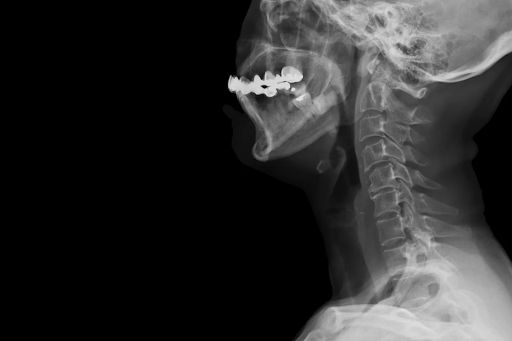
Cervical disc herniation is a condition affecting the intervertebral discs in the neck, which act as shock absorbers between the vertebrae, ensuring flexibility and protecting the spinal column. When a disc weakens and its inner core protrudes beyond its natural boundary, it can compress nearby nerves, leading to various symptoms.
Early diagnosis is essential to prevent worsening pain and to implement an appropriate treatment plan before the condition becomes more debilitating.
Recognizing the symptoms of cervical disc herniation
The symptoms of cervical disc herniation vary depending on the severity and location of nerve compression. Common signs include:
- Persistent neck pain: A sensation of tightness, burning, or discomfort in the cervical region.
- Radiating pain to the shoulders and arms: The pain can extend to the shoulder blade and upper limbs.
- Numbness or tingling: Abnormal sensations in the arms, hands, or fingers.
- Muscle weakness: Difficulty gripping or carrying objects.
- Headaches: Often linked to nerve compression and muscular tension in the neck.
In more severe cases, significant nerve compression can lead to coordination or balance issues, requiring urgent medical attention.
Why early diagnosis matters
Detecting a cervical disc herniation early helps to:
- Start appropriate treatment before symptoms worsen
- Improve the effectiveness of non-surgical treatments, such as physiotherapy and anti-inflammatory medications
- Prevent chronic pain, which can impact daily life and mobility
- Avoid surgery whenever possible by implementing conservative treatment strategies in time
If left untreated, a cervical disc herniation can progress to more severe conditions, such as cervical myelopathy, which involves spinal cord compression and potential neurological impairment.
How is cervical disc herniation diagnosed?
clinical examination
A comprehensive medical evaluation is the first step in diagnosing a cervical disc herniation. The specialist will assess:
- Neck mobility
- Reflexes and muscle strength
- Pain radiation patterns
This helps determine whether further diagnostic imaging is required.
medical imaging and diagnostic tests
If a disc herniation is suspected, imaging tests will be performed to confirm the diagnosis and assess the severity of the condition:
- MRI (magnetic resonance imaging): The gold standard for visualizing disc damage and nerve compression.
- CT scan: Used when further analysis of bone structures is needed.
- Electromyography (EMG): Evaluates nerve function and assesses the impact of compression on nerve pathways.
These tests help establish a precise diagnosis, allowing the medical team to determine the most appropriate treatment plan.
Treatment options for cervical disc herniation
Once the diagnosis is confirmed, various treatment options can be considered depending on symptom severity and progression.
non-surgical treatments
Most cases of cervical disc herniation can be managed without surgery through a combination of:
- Activity modification: Avoiding prolonged postures that strain the cervical spine.
- Physiotherapy and rehabilitation: Specific exercises to relieve pain and restore neck mobility.
- Medication: Pain relievers, anti-inflammatory drugs, and muscle relaxants to reduce discomfort.
- Cervical epidural injections: Targeted corticosteroid injections to decrease localized inflammation.
These approaches effectively control pain in many cases, allowing patients to resume their normal activities without requiring surgery.
surgery as a last resort
If conservative treatments fail to provide relief or if symptoms worsen, surgical intervention may be necessary. Endoscopic spine surgery is now a preferred alternative to traditional open surgery, offering:
- A minimally invasive approach with faster recovery
- Reduced tissue trauma and post-operative pain
- Quicker return to daily activities
Surgical options are carefully evaluated on a case-by-case basis to ensure the best possible outcome for each patient.
When should you see a specialist?
You should seek medical attention as soon as possible if you experience:
- Persistent neck pain lasting several weeks
- Numbness or tingling in the arms or hands
- Progressive muscle weakness or difficulty gripping objects
- Balance or coordination issues
Early intervention prevents complications and improves the chances of successful treatment without surgery.
Preventing the progression of cervical disc herniation
A personalized medical approach combined with early diagnosis and targeted therapy can significantly improve quality of life for individuals suffering from cervical disc herniation. Thanks to advanced imaging and modern treatment options, effective solutions are available to manage symptoms and support long-term spinal health.
For international patients, a first consultation via video call can be arranged to discuss symptoms and treatment options before traveling for care.
Laisser un commentaire