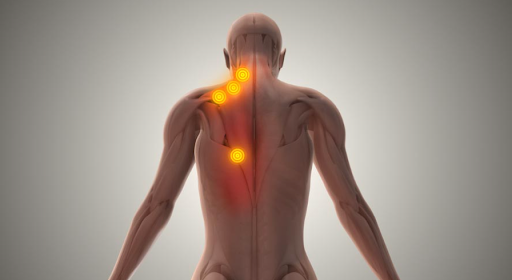
Neck and shoulder pain is a common issue that can significantly impact daily life. However, distinguishing between simple muscle tension and a cervical disc herniation can be challenging, as symptoms often overlap. Despite the similarities, the underlying causes and treatments differ greatly. Here’s how to tell them apart and know when it’s time to consult a specialist.
Cervical muscle tension
Neck muscle tension is frequently caused by stress, poor posture over extended periods, or sudden movements. It typically presents as localized pain, muscle stiffness, and sometimes the sensation of « knots » in the muscles. This discomfort often worsens after spending hours in front of a computer or following strenuous physical activity.
Common causes of muscle tension
-
- Poor posture: Long hours of desk work, sleeping in an uncomfortable position, or keeping the head tilted can strain neck muscles.
- Stress: Emotional stress can lead to involuntary tightening of neck and shoulder muscles, resulting in stiffness and pain.
- Repetitive movements: Certain sports activities or repetitive motions can create excess tension in the neck muscles.
- Lack of muscles
What is a cervical disc herniation?
A cervical disc herniation is a more complex condition. It occurs when the soft, gel-like core of an intervertebral disc in the neck region protrudes out of its normal position, placing pressure on nearby nerves. This disc displacement can lead to significant pain, tingling, muscle weakness, and in severe cases, neurological symptoms.
Symptoms of cervical disc herniation
- Radiating pain: Unlike muscle tension, herniated disc pain can extend to the shoulders, arms, or even hands.
- Numbness and tingling: Nerve compression may cause sensations of tingling or numbness in the upper limbs.
- Muscle weakness: A herniated disc can weaken muscles in the arm or hand, making daily tasks more challenging.
- Pain triggered by movement: Specific neck movements, such as turning the head or tilting the neck, can exacerbate the pain.
Differentiating cervical disc herniation from muscle tension
While these conditions may share some symptoms, there are key differences:
- Pain location: Muscle tension typically causes localized discomfort in the neck and shoulders, whereas herniated disc pain may radiate to the arms or hands.
- Pain type: Muscle tension often presents as a dull, constant ache, while a herniated disc can produce sharp, stabbing pain or a burning sensation.
- Neurological symptoms: Tingling, numbness, and muscle weakness are hallmark signs of a cervical disc herniation.
When to consult a specialist
Cervical pain should not be ignored, especially if it persists or worsens. Consider consulting a specialist at the Centre de Chirurgie Endoscopique du Rachis if you experience any of the following:
- Persistent pain: Neck pain that doesn’t improve after a few days of rest or conservative treatment.
- Neurological symptoms: Numbness, tingling, or muscle weakness in the arms or hands.
- Radiating pain: Pain that extends beyond the neck to the shoulders, arms, or hands.
- Impact on daily life: Pain or symptoms that interfere with daily activities or work performance.
Comprehensive care at the Centre de Chirurgie Endoscopique du Rachis
At the Centre de Chirurgie Endoscopique du Rachis, our team offers a thorough evaluation to identify the exact cause of your cervical pain. Using advanced diagnostic techniques, we tailor a treatment plan that best suits your needs, whether it involves conservative therapies or, if necessary, minimally invasive surgical intervention.
If you are experiencing persistent pain or neurological symptoms, do not hesitate to seek professional care. Prompt attention can prevent symptom worsening and significantly enhance your quality of life. For a personalized assessment, you can arrange a consultation—remote video consultations are available for international patients.
Laisser un commentaire