Catégorie : Cervical disc herniation

  • Informed consent: What you need to know before cervical spine surgery

    Informed consent: What you need to know before cervical spine surgery

    When considering cervical spine surgery, it is essential for patients to fully understand the goals, risks, and alternative treatments before making a decision. Informed consent is a crucial step in this process, ensuring that patients make well-informed choices with a clear understanding of both the benefits and potential risks associated with the procedure.

    For international patients, a first consultation via video call can be arranged to discuss treatment options before traveling for care.

    What is informed consent in cervical spine surgery?

    Informed consent is more than just signing a document. It is a comprehensive discussion between the surgeon and the patient, ensuring that all medical information is clearly communicated.

    Before undergoing cervical spine surgery, the patient should understand:

    • The purpose of the procedure and its expected benefits.
    • The surgical steps involved, including post-operative care.
    • Potential risks and complications associated with the surgery.
    • Non-surgical alternatives that might be considered.

    This process allows patients to ask questions and make an informed decision with confidence.

    Why is informed consent essential before cervical spine surgery?

    Cervical spine surgery is often recommended to relieve pain, improve mobility, and prevent further complications in conditions such as cervical disc herniation, spinal stenosis, nerve compression, or spinal instability. However, every surgical procedure carries risks, making an informed decision crucial.

    Understanding the benefits of surgery

    Surgical intervention may be necessary when other treatments fail to provide relief. The primary goals of cervical spine surgery include:

    • Reducing nerve compression to alleviate pain, numbness, or weakness in the arms.
    • Restoring stability in the cervical spine.
    • Preventing worsening neurological symptoms that could impact daily life.

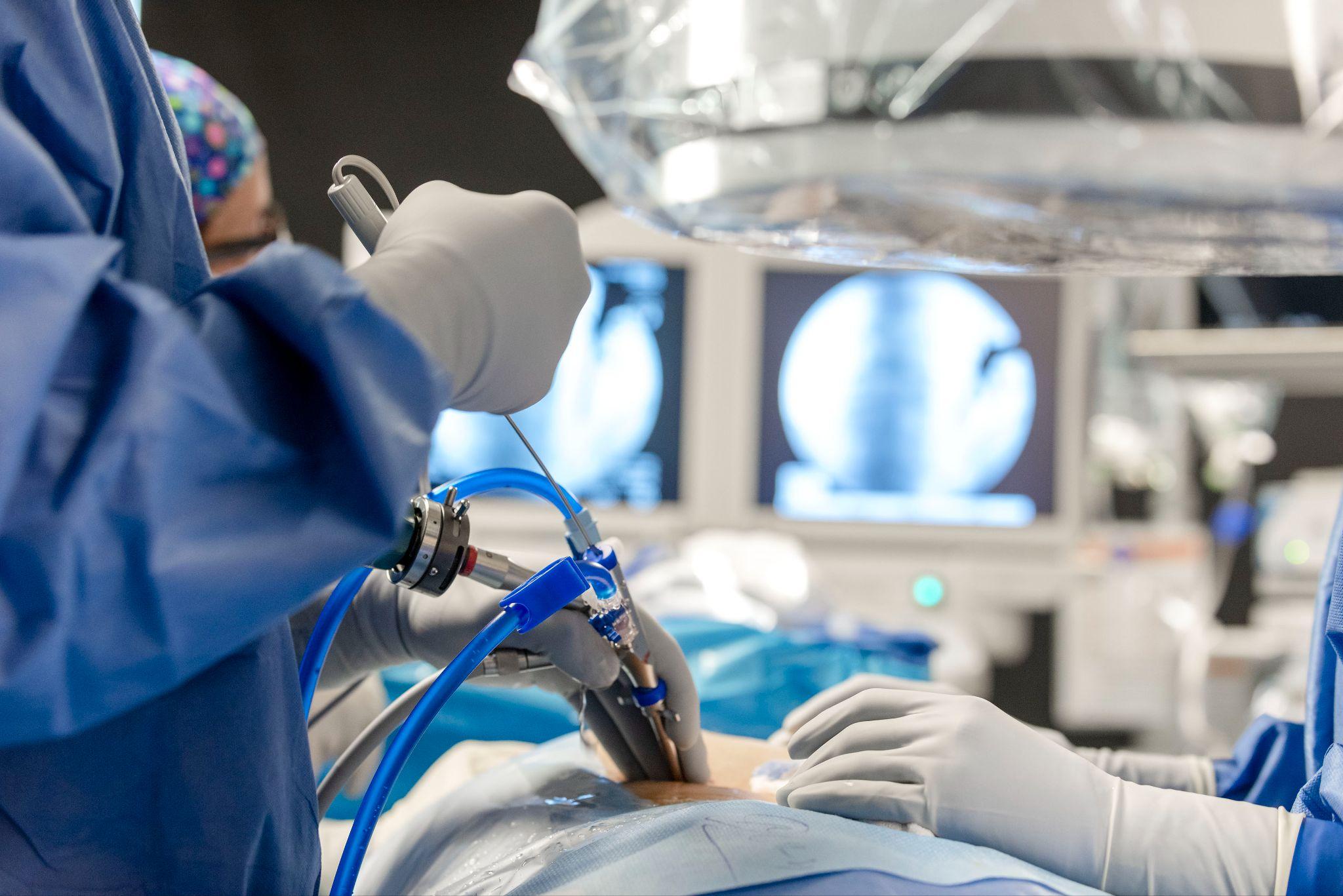
    Thanks to modern techniques like endoscopic cervical surgery, it is now possible to operate with minimal tissue disruption, leading to faster recovery and better outcomes compared to traditional open surgery.

    Identifying potential risks and complications

    While cervical spine surgery is performed with advanced safety protocols, it still carries some potential risks, including:

    • Postoperative discomfort, which is typically temporary and well-managed.
    • Infection, though rare due to sterile surgical environments.
    • Neurological complications, which in exceptional cases may cause sensory or motor deficits.
    • Hematoma formation, which could require additional intervention in rare cases.

    A transparent discussion with the surgeon ensures that patients fully understand the risk-benefit balance before making a decision.

    Exploring non-surgical alternatives

    Before proceeding with surgery, patients should be aware of other conservative treatment options, which may include:

    • Medication (pain relievers, anti-inflammatory drugs, muscle relaxants).
    • Physical therapy to improve flexibility and reduce strain.
    • Lifestyle modifications, such as posture correction and ergonomic adjustments.
    • Cervical injections to reduce inflammation and pain.

    In some cases, these alternatives may be sufficient, but when symptoms persist or worsen, surgery may be the most effective option.

    What happens during the informed consent process?

    The informed consent process is designed to guide patients through each step of their treatment decision.

    Pre-surgical consultation

    Before any procedure, the patient will have a detailed consultation with the surgeon to:

    • Discuss symptoms and their progression.
    • Review medical imaging (MRI, CT scan) to confirm the need for surgery.
    • Explain the recommended surgical approach and post-operative care.

    Signing the consent form

    Once all necessary information has been provided, the patient receives a consent document outlining the procedure, its risks, and expected outcomes. Patients are encouraged to take time for reflection before signing, ensuring that their decision is fully considered.

    The whole procedure is performed by the surgeon seen during the consultation.

    Asking questions and clarifying concerns

    Patients often have questions about:

    • Anesthesia and pain management during and after surgery.
    • Recovery time and post-operative restrictions.
    • Potential impact on daily activities and work.

    The surgeon takes the time to address each question, ensuring that the patient feels reassured and fully informed.

    What to expect after cervical spine surgery?

    The surgical journey does not end with the procedure itself. Post-operative care and follow-up play a critical role in ensuring a smooth recovery.

    Immediate post-surgical care

    After surgery, patients receive close medical supervision to monitor their recovery. With minimally invasive techniques, most patients experience less post-operative pain and faster healing compared to traditional approaches.

    Personalized follow-up care

    Follow-up appointments help evaluate progress and address any concerns. Depending on the procedure, post-operative imaging may be recommended to ensure proper healing.

    Returning to daily activities

    Recovery time varies depending on the type of surgery:

    • For endoscopic procedures, patients may return to light activities within a few weeks.
    • For fusion surgeries (arthrodesis), a longer 6-week recovery period may be required before resuming normal activities.

    Patients receive individualized guidance on when they can return to work, exercise, or engage in sports safely.

    Making an informed decision for optimal care

    Informed consent is a crucial step in ensuring patient understanding and confidence before undergoing cervical spine surgery. It provides a clear overview of the procedure, its benefits, potential risks, and available alternatives.

    With the latest advancements in minimally invasive spine surgery, patients now have access to safer, more effective treatments with faster recovery times.

    For those experiencing persistent cervical pain or neurological symptoms, scheduling a consultation (including virtual appointments for international patients) is the first step toward finding the best treatment solution.

  • Cervical disc herniation: why early diagnosis is crucial

    Cervical disc herniation: why early diagnosis is crucial

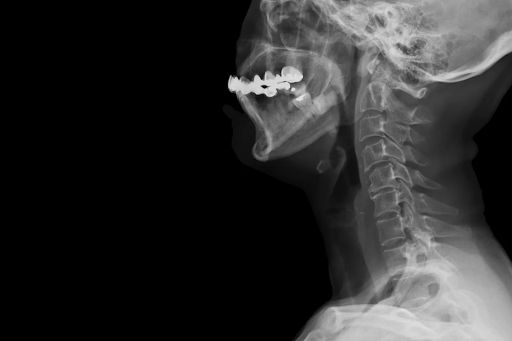
    Cervical disc herniation is a condition affecting the intervertebral discs in the neck, which act as shock absorbers between the vertebrae, ensuring flexibility and protecting the spinal column. When a disc weakens and its inner core protrudes beyond its natural boundary, it can compress nearby nerves, leading to various symptoms.

    Early diagnosis is essential to prevent worsening pain and to implement an appropriate treatment plan before the condition becomes more debilitating.

    Recognizing the symptoms of cervical disc herniation

    The symptoms of cervical disc herniation vary depending on the severity and location of nerve compression. Common signs include:

    • Persistent neck pain: A sensation of tightness, burning, or discomfort in the cervical region.
    • Radiating pain to the shoulders and arms: The pain can extend to the shoulder blade and upper limbs.
    • Numbness or tingling: Abnormal sensations in the arms, hands, or fingers.
    • Muscle weakness: Difficulty gripping or carrying objects.
    • Headaches: Often linked to nerve compression and muscular tension in the neck.

    In more severe cases, significant nerve compression can lead to coordination or balance issues, requiring urgent medical attention.

    Why early diagnosis matters

    Detecting a cervical disc herniation early helps to:

    • Start appropriate treatment before symptoms worsen
    • Improve the effectiveness of non-surgical treatments, such as physiotherapy and anti-inflammatory medications
    • Prevent chronic pain, which can impact daily life and mobility
    • Avoid surgery whenever possible by implementing conservative treatment strategies in time

    If left untreated, a cervical disc herniation can progress to more severe conditions, such as cervical myelopathy, which involves spinal cord compression and potential neurological impairment.

    How is cervical disc herniation diagnosed?

    clinical examination

    A comprehensive medical evaluation is the first step in diagnosing a cervical disc herniation. The specialist will assess:

    • Neck mobility
    • Reflexes and muscle strength
    • Pain radiation patterns

    This helps determine whether further diagnostic imaging is required.

    medical imaging and diagnostic tests

    If a disc herniation is suspected, imaging tests will be performed to confirm the diagnosis and assess the severity of the condition:

    • MRI (magnetic resonance imaging): The gold standard for visualizing disc damage and nerve compression.
    • CT scan: Used when further analysis of bone structures is needed.
    • Electromyography (EMG): Evaluates nerve function and assesses the impact of compression on nerve pathways.

    These tests help establish a precise diagnosis, allowing the medical team to determine the most appropriate treatment plan.

    Treatment options for cervical disc herniation

    Once the diagnosis is confirmed, various treatment options can be considered depending on symptom severity and progression.

    non-surgical treatments

    Most cases of cervical disc herniation can be managed without surgery through a combination of:

    • Activity modification: Avoiding prolonged postures that strain the cervical spine.
    • Physiotherapy and rehabilitation: Specific exercises to relieve pain and restore neck mobility.
    • Medication: Pain relievers, anti-inflammatory drugs, and muscle relaxants to reduce discomfort.
    • Cervical epidural injections: Targeted corticosteroid injections to decrease localized inflammation.

    These approaches effectively control pain in many cases, allowing patients to resume their normal activities without requiring surgery.

    surgery as a last resort

    If conservative treatments fail to provide relief or if symptoms worsen, surgical intervention may be necessary. Endoscopic spine surgery is now a preferred alternative to traditional open surgery, offering:

    • A minimally invasive approach with faster recovery
    • Reduced tissue trauma and post-operative pain
    • Quicker return to daily activities

    Surgical options are carefully evaluated on a case-by-case basis to ensure the best possible outcome for each patient.

    When should you see a specialist?

    You should seek medical attention as soon as possible if you experience:

    • Persistent neck pain lasting several weeks
    • Numbness or tingling in the arms or hands
    • Progressive muscle weakness or difficulty gripping objects
    • Balance or coordination issues

    Early intervention prevents complications and improves the chances of successful treatment without surgery.

    Preventing the progression of cervical disc herniation

    A personalized medical approach combined with early diagnosis and targeted therapy can significantly improve quality of life for individuals suffering from cervical disc herniation. Thanks to advanced imaging and modern treatment options, effective solutions are available to manage symptoms and support long-term spinal health.

    For international patients, a first consultation via video call can be arranged to discuss symptoms and treatment options before traveling for care.

  • The importance of sleep for patients with cervical disc herniation

    The importance of sleep for patients with cervical disc herniation

    Cervical disc herniation can significantly impact daily life, especially when it disrupts sleep. Pain, muscle tension, and discomfort can make it difficult to fall asleep and cause frequent nighttime awakenings. However, quality sleep plays a crucial role in recovery and pain management.

    How can you improve sleep when dealing with a cervical disc herniation? What adjustments can help minimize nighttime discomfort?

    Why sleep is essential for cervical disc herniation patients

    Sleep is a vital part of the body’s natural healing process. During the night, muscles relax, intervertebral discs rehydrate, and inflammation decreases. A restful sleep cycle helps reduce muscle tension, which can otherwise worsen cervical pain.

    On the other hand, poor sleep quality or lack of sleep can increase pain perception, heighten fatigue, and slow down recovery. For individuals suffering from cervical disc herniation, adopting habits that promote quality sleep is essential for effective pain management.

    Best sleeping positions for cervical spine health

    Your sleeping position directly affects the pressure exerted on the cervical spine. Certain positions can reduce strain and improve nighttime comfort.

    Sleeping on your back

    Sleeping on your back is often recommended for patients with cervical disc herniation. This position naturally aligns the spine and evenly distributes body weight. Using an ergonomic pillow that supports the natural curve of the neck can further help reduce pain and stiffness upon waking.

    Sleeping on your side

    Side sleeping can also be a comfortable option if done correctly. It is important to use a supportive pillow that keeps the head aligned with the spine. A pillow with adequate height can prevent excessive neck tilting, which might worsen pain.

    Avoid sleeping on your stomach

    Stomach sleeping is not advisable for those with cervical disc herniation. This position forces the head to rotate to one side for prolonged periods, placing excessive strain on the cervical spine and increasing discomfort.

    Choosing the right pillow and mattress

    An ergonomic pillow for proper neck support

    The right pillow is key to maintaining spinal alignment and reducing cervical pressure. Memory foam or cervical contour pillows are recommended as they adapt to the shape of the neck, providing optimal support and relieving stress on the intervertebral discs.

    A mattress that provides adequate support

    A mattress that is too soft can cause misalignment of the spine, while an overly firm mattress may create pressure points. The ideal choice is a medium-firm mattress that offers both support and comfort, helping maintain a neutral sleeping posture.

    Establishing a bedtime routine for better sleep

    Avoid screens before bedtime

    Blue light from screens (phones, tablets, computers) can interfere with melatonin production, the hormone that regulates sleep. Avoiding screen exposure at least one hour before bedtime can improve sleep onset and quality.

    Create a relaxing pre-sleep routine

    Engaging in relaxation techniques, such as deep breathing exercises, reading, or listening to soothing music, can help relax muscles and calm the mind before sleep. A warm bath or shower can also relieve muscle tension and promote relaxation.

    Maintain an ideal room temperature

    Extreme temperatures can disrupt sleep quality. Keeping the bedroom temperature between 18-20°C (64-68°F) is recommended for a restful night.


    When should you consult a specialist?

    If cervical pain persists despite adopting these sleep-friendly habits, consulting a specialist is crucial. A professional assessment can determine the severity of the cervical disc herniation and identify the most suitable treatment options.

    Minimally invasive endoscopic spine surgery is an advanced treatment option for specific cervical spine conditions. This technique reduces tissue disruption, shortens recovery time, and minimizes post-operative pain, helping patients regain quality sleep more quickly.

    Restorative sleep: a key ally in cervical pain management

    Achieving quality sleep is essential for managing cervical disc herniation symptoms. By making the right lifestyle adjustments and optimizing sleep posture and environment, patients can significantly improve their nighttime comfort and accelerate the healing process.

    For those experiencing persistent discomfort, seeking expert medical guidance can provide tailored solutions to restore pain-free sleep and overall well-being.

    An initial video consultation is available for international patients who wish to explore treatment options in France.

  • Cervical disc herniation surgery: why choose the posterior endoscopic approach?

    Cervical disc herniation surgery: why choose the posterior endoscopic approach?

    Advancements in cervical disc herniation surgery have introduced innovative techniques that provide less invasive and more effective treatment options. Among these, the posterior endoscopic approach stands out as a modern solution for managing cervical disc herniation.

    This minimally invasive method offers precise, targeted treatment with reduced recovery times and fewer complications.

    What is posterior cervical endoscopy?

    Posterior cervical endoscopy is a minimally invasive surgical procedure used to treat cervical disc herniation without requiring spinal fusion or the implantation of prosthetic devices. This technique accesses the herniated disc through a small incision (2-3 cm) at the back of the neck, avoiding the front structures of the cervical spine.

    Using advanced endoscopic equipment with precise illumination and magnification, the surgeon can remove the herniated disc while preserving the integrity of the surrounding tissues and the disc itself. This approach minimizes trauma to the muscles and soft tissues, ensuring a smoother recovery.

    Benefits of the posterior endoscopic method

    A minimally invasive approach

    Unlike traditional techniques, such as anterior approaches with spinal fusion, the posterior endoscopic approach significantly reduces trauma. By displacing rather than cutting through the muscles, this method minimizes:

    • Post-operative pain,
    • Risks of complications,
    • Recovery time.

    No implants required

    A major advantage of this technique is that it does not involve the use of prosthetics or other implants. This preserves the natural structure and mobility of the cervical spine, avoiding long-term complications or mobility restrictions often associated with implants.

    Faster recovery

    Because it is minimally invasive, posterior endoscopy supports a quicker recovery process. Patients typically experience less post-operative discomfort and can return to their normal activities much sooner than with traditional surgical methods.

    Who is a good candidate for this procedure?

    This technique is especially suitable for patients with cervical disc herniation causing cervicobrachial neuralgia—a condition characterized by radiating pain in the arm, numbness, or muscle weakness.

    The suitability of the posterior endoscopic approach depends on factors such as the location and size of the herniated disc. A thorough evaluation is conducted to determine whether this method is the best option for each patient.

    How is the procedure performed?

    During the procedure, the patient lies face down. A small incision is made near the lateral edge of the spinous processes at the back of the neck. The endoscopic system is then inserted to remove the herniated disc with precision while preserving surrounding tissues.

    Thanks to the minimally invasive nature of the procedure, post-operative discomfort is typically mild. Some patients may experience temporary tingling sensations, but these usually resolve over time.

    Potential risks of posterior cervical endoscopy

    While the posterior endoscopic approach is generally safe, as with any surgical procedure, there are some associated risks, although these are rare and well-managed:

    • Temporary nerve irritation,
    • Hematoma requiring surgical intervention,
    • Infection (minimized by the small incision size).

    Patients are informed about these risks in detail to ensure they can make an informed decision about their treatment.

    Why consider posterior endoscopy for cervical disc herniation?

    Posterior cervical endoscopy represents a significant advancement in treating cervical disc herniation. Its benefits include:

    • Minimally invasive technique,
    • No need for implants,
    • Faster recovery times,
    • Reduced post-operative pain.

    Preparing for your consultation

    If you are dealing with a cervical disc herniation and considering treatment options, posterior endoscopy could be the solution you need. It offers an effective, less invasive alternative that prioritizes patient recovery and quality of life.

    For international patients, an initial consultation via video call is available to discuss your condition, evaluate your needs, and plan for potential treatment.

    Take the first step toward relief and recovery by scheduling a consultation with an experienced specialist today.

  • Spinal fusion surgery for herniated discs: when is it really necessary?

    Spinal fusion surgery for herniated discs: when is it really necessary?

    Herniated discs are a common spinal condition that can cause significant, sometimes debilitating, pain. While most cases can be managed with non-invasive treatments, certain situations call for surgical intervention, particularly spinal fusion surgery. But when is this procedure truly necessary? Let’s explore the indications and benefits of spinal fusion for herniated discs.

    What is spinal fusion?

    Spinal fusion is a surgical procedure designed to join two or more vertebrae to stabilize the spine. It is often performed when the spine exhibits significant instability or when chronic pain persists despite non-surgical treatments. The goal is to relieve symptoms and improve the patient’s quality of life.

    During the procedure, bone grafts and fixation devices such as screws or plates are used to hold the vertebrae in place while they naturally fuse over time.

    When does a herniated disc require surgery?

    Failure of conservative treatments

    In most cases, herniated discs can be successfully treated with conservative approaches, such as physical therapy, anti-inflammatory medications, or injections. However, if these methods fail to alleviate pain after several months, surgical intervention may become necessary.

    Severe neurological symptoms

    Herniated discs can compress nearby nerve roots or the spinal cord, leading to serious symptoms such as muscle weakness, loss of sensation, or mobility issues. In severe cases, this compression can result in partial paralysis or urinary incontinence, necessitating urgent surgical intervention.

    Spinal instability

    If a herniated disc is accompanied by spinal instability, spinal fusion may be recommended. Instability can cause abnormal movement between vertebrae, worsening pain and increasing the risk of complications.

    Recurrence of a herniated disc

    In some instances, a herniated disc may recur after initial surgical removal, either at the same site or in another segment of the spine. If this leads to severe symptoms, spinal fusion may be required to provide long-term stability to the spine.

    Benefits of spinal fusion for herniated discs

    Spinal fusion offers several advantages for patients with severe or complex herniated discs. These include:

    • Long-lasting pain relief: By stabilizing the spine, spinal fusion reduces nerve compression, which is often the source of radiating pain.
    • Improved mobility: Although the procedure limits movement at the fused vertebrae, it helps patients regain overall functional ability and quality of life.
    • Reduced risk of recurrence: Fusing the vertebrae minimizes the likelihood of new herniated discs forming at the same level.

    How is spinal fusion performed?

    Pre-surgery preparation

    Before the surgery, patients undergo thorough imaging tests such as MRIs or CT scans to precisely locate the herniation and assess vertebral health.

    The procedure

    The surgery is performed under general anesthesia. The surgeon accesses the spine, removes the portion of the disc causing nerve compression, and places bone grafts and fixation devices to stabilize the vertebrae. The procedure’s duration varies depending on the complexity of the case.

    Post-surgery recovery

    Following the surgery, patients undergo a recovery period that includes physical therapy and rehabilitation. These steps are essential to restore mobility and strengthen the supporting muscles of the spine.

    Is spinal fusion always the best option?

    It’s important to note that spinal fusion is not the only solution for herniated discs. Every case is unique, and treatment decisions depend on factors such as the patient’s age, the overall condition of their spine, and the severity of symptoms. Other procedures, like discectomy or endoscopic techniques, may be sufficient in some cases.

    A specialist’s evaluation is critical to determine the most appropriate course of action. A comprehensive assessment ensures the chosen treatment aligns with the patient’s needs, balancing the risks and benefits.

    Your consultation with a spine specialist

    Spinal fusion is a highly effective solution for patients with complex herniated discs or associated spinal instability. While it is typically a last resort after conservative treatments have failed, it offers significant, long-term relief from pain and improvements in quality of life.

    If you have questions about this procedure or wish to assess your condition, you can schedule a consultation with a specialist. Virtual consultations are available for international patients seeking expert advice. By exploring your options, you can make informed decisions about your care and take the first step toward lasting relief.

  • Endoscopic spine surgery : Cervical disc herniation treatment

    Endoscopic spine surgery : Cervical disc herniation treatment

    Cervical disc herniations can be a significant source of pain and discomfort for many patients, profoundly impacting their quality of life by limiting mobility and causing severe pain. However, with recent advances in surgical techniques, an innovative and less invasive approach is now available: endoscopic spine surgery.

    Understanding cervical disc herniation

    A disc herniation occurs when the nucleus of an intervertebral disc escapes through the surrounding fibrous ring. This protruding fragment can press on nerve roots, causing pain radiating into the arm. In more severe cases, the spinal cord itself may be affected, leading to complex neurological symptoms.

    The importance of diagnosis

    In addition to physical examination, the diagnosis of a cervical disc herniation relies heavily on MRI, sometimes supplemented by electromyography or CT scans. Symptoms vary depending on the exact location of the herniation. For instance, a C7 – D1 herniation might lead to weakness and tingling in the fingers, while a C4 – C5 herniation could present as shoulder pain or weakness in the upper arm.

    Endoscopic intervention: A significant advancement

    The goal of cervical disc herniation surgery is to remove the herniation and decompress the nerve. This procedure, performed through a short incision on the anterior aspect of the spine, utilizes the endoscopic system to largely preserve the intervertebral disc. This less invasive approach offers numerous advantages over traditional methods.

    Benefits of the endoscopic technique

    Beyond being less invasive, endoscopic spine surgery results in particularly straightforward postoperative recovery. Patients experience immediate relief and can quickly resume their daily activities. This rapid recovery is a crucial aspect for many patients eager to regain their mobility and quality of life as soon as possible.

    The patient journey: From preparation to recovery

    Prior to the procedure, patients receive attentive and professional care. An orderly escorts them to the operating room, where they are greeted by the anesthetist and their nurse in the pre-anesthesia room. Once sedated, patients benefit from the expertise of the surgical team for about an hour. After surgery, patients are monitored in the recovery room before returning to their ward.

    Rapid and guided recovery

    Recovery after endoscopic spine surgery is often remarkably swift. Upon returning to their room, patients are offered a snack or meal. The IV is removed, allowing them to shower and stretch their legs. Physiotherapists, in collaboration with the surgical team, visit the patient the same evening in their room, and the next morning for the first rehabilitation session.

    A new era for cervical disc herniation treatment

    Endoscopic spine surgery, as performed by our team, represents a significant advancement in the treatment of cervical disc herniations. This less invasive approach provides patients with a faster, less painful recovery while preserving the integrity of the intervertebral disc as much as possible.

    If you are suffering from pain related to a cervical disc herniation, consider consulting with the Center for Endoscopic Spine Surgery in Bordeaux to explore the benefits of this technique.

  • Introducing the Center for Endoscopic Spine Surgery in Bordeaux

    Introducing the Center for Endoscopic Spine Surgery in Bordeaux

    Facing back problems can be daunting, and choosing the right surgical intervention is crucial. This is where the center for endoscopic spine surgery in Bordeaux excels. Located in the heart of Mérignac, this state-of-the-art clinic specializes in a groundbreaking approach for a variety of spinal issues. Let’s delve into why this center, under the leadership of renowned experts, is considered a premier destination for back surgery in Bordeaux.

    Our team of renowned specialists

    At the heart of our center is a dedicated team of medical professionals, each bringing a wealth of expertise to provide top-tier spinal care.

    Dr. Jean Destandau: a neurosurgery innovator

    Dr. Jean Destandau, a University of Bordeaux alumnus, is a trailblazer in neurosurgery. He revolutionized spinal surgery in 1993 with his development of the endoscopic technique, known as endospine. With a successful track record of over 7,000 lumbar disc herniation surgeries, Dr. Destandau is a revered figure in the field.

    Dr. Amélie Léglise: orthopedic surgery specialist

    Dr. Amélie Léglise, renowned for her work in orthopedic and trauma surgery, enhances the center’s treatment spectrum. Her proficiency in minimally invasive endoscopic surgery, especially for lumbar and cervical disc herniations and narrow lumbar canal, is exceptional.

    Dr. Marjory Rué: neurosurgery expert

    Dr. Marjory Rué brings her extensive neurosurgery experience and tenure as a former intern and head of clinic at Bordeaux hospitals to the team. Collaborating closely with Dr. Destandau, she specializes in minimally invasive endoscopic solutions for lumbar and cervical disc herniation and narrow lumbar canal.

    Innovative approach : endoscopic spine surgery

    Endoscopic spine surgery is a cutting-edge advancement in spinal condition treatments. Compared to traditional methods, it offers significant benefits:

    • Tailored to conditions like lumbar and cervical disc hernias, narrow lumbar canal, and spinal synovial cysts.
    • Conducted through a small incision, using a mini-camera to provide a detailed view of the operative area.
    • Benefits include quicker recovery, minimal scarring, reduced muscle trauma, enhanced surgical visibility, lower risk of infection, and less postoperative discomfort.

    Global recognition

    Dr. Jean Destandau, the architect of the endoscopic technique, has dedicated his career to refining this novel surgical approach. The endospine technique, created in 1993, has transformed spine surgery practices. The center for endoscopic spine surgery in Bordeaux was established with two primary goals:

    • Patient care excellence: Our expert team delivers unparalleled care during spinal procedures, supported by advanced anesthetic techniques and a professionally trained staff.
    • Education and knowledge sharing: The center is instrumental in educating surgeons globally in the endoscopic technique, offering hands-on training to master this sophisticated minimally invasive approach.

    For those seeking expert surgical care for back issues, the center for endoscopic spine surgery in Bordeaux is an excellent choice. We invite you to contact us to schedule an appointment and embark on your path to spinal health and recovery.