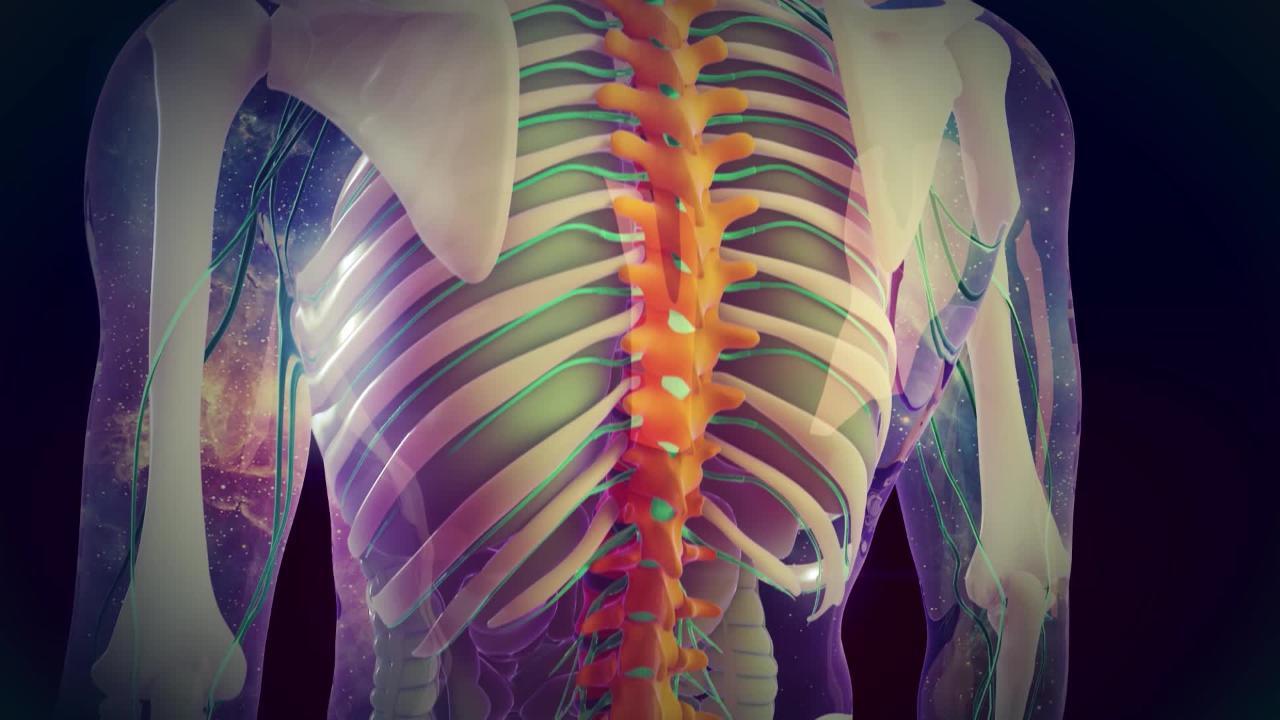
Modern lifestyles have led to increasing sedentary behaviors, with many people spending long hours sitting—whether for work or leisure. This prolonged inactivity can have serious consequences on spinal health, contributing to conditions such as herniated discs, lumbar spinal stenosis, and chronic lower back pain. However, small changes in daily habits can significantly reduce these risks and help maintain a healthy spine.
How does a sedentary lifestyle affect the spine?
Lack of movement weakens spinal support
The human body is designed for movement. Prolonged sitting leads to a loss of muscle tone, especially in the deep back muscles and core, which are essential for supporting the spine. When these muscles weaken, they are less able to absorb shock and stabilize the vertebrae, leading to increased back pain and discomfort.
Increased pressure on intervertebral discs
Sitting for extended periods places excess pressure on the intervertebral discs, particularly in the lumbar (lower back) region. Over time, this constant strain can accelerate disc degeneration, increasing the risk of conditions such as herniated discs and chronic disc disease.
Reduced mobility and stiffness
Inactivity also contributes to joint stiffness. When movement is restricted, muscles and ligaments adapt to inactivity, leading to decreased flexibility and increased discomfort—particularly in the neck and lower back.
How to incorporate more movement into daily life
Making simple adjustments to your daily routine can help counteract the effects of prolonged sitting and reduce stress on your spine.
1. Change positions frequently throughout the day
Avoid sitting for too long without a break. Ideally, you should stand up every 30 to 45 minutes—even for just a few moments—to stretch and move.
Easy ways to incorporate movement:
- Stand up while answering phone calls
- Use a height-adjustable desk to alternate between sitting and standing
- Take active breaks of 2-5 minutes every hour
- Walk around during conference calls
2. Engage in regular physical activity
Exercise is essential for strengthening back muscles and maintaining spinal mobility. The best activities for spinal health include:
- Swimming – Provides muscle strengthening without impact on the joints
- Yoga or Pilates – Helps improve posture, flexibility, and core strength
- Walking – A simple, accessible way to boost circulation and relieve spinal tension
- Core strengthening exercises (planks, bridges) – Help stabilize the spine and reduce strain
3. Improve your posture at work
A proper ergonomic workspace can significantly reduce strain on the spine and prevent back pain. Follow these guidelines:
- Position your screen at eye level to reduce neck strain
- Use an ergonomic chair with lumbar support
- Keep your feet flat on the floor with knees at a 90-degree angle
- Place the keyboard and mouse within easy reach to prevent excessive shoulder movement
4. Avoid repetitive strain and poor postures
Certain daily habits can exacerbate spinal discomfort. To prevent unnecessary stress on your back:
- Avoid crossing your legs while sitting
- Maintain a straight back when lifting heavy objects
- Choose a supportive mattress to ensure proper spinal alignment while sleeping
When should you consult a specialist?
If, despite these lifestyle adjustments, back pain persists or worsens, it’s essential to consult a spine specialist. A thorough evaluation can help identify the underlying causes of your pain and determine the best treatment plan, ranging from non-invasive therapies (such as physical therapy, postural correction, or injections) to surgical options in cases of advanced spinal conditions.
Moving towards an active lifestyle for better spinal health
A sedentary lifestyle is a major risk factor for spinal conditions, but small daily changes can significantly improve your back health. Regular movement, maintaining good posture, and strengthening the supporting muscles of the spine are key strategies to prevent back pain and improve overall quality of life.
If you’re experiencing chronic back pain or spinal discomfort, schedule a consultation with a specialist. For international patients, a video consultation is available to assess your condition and discuss personalized treatment options.