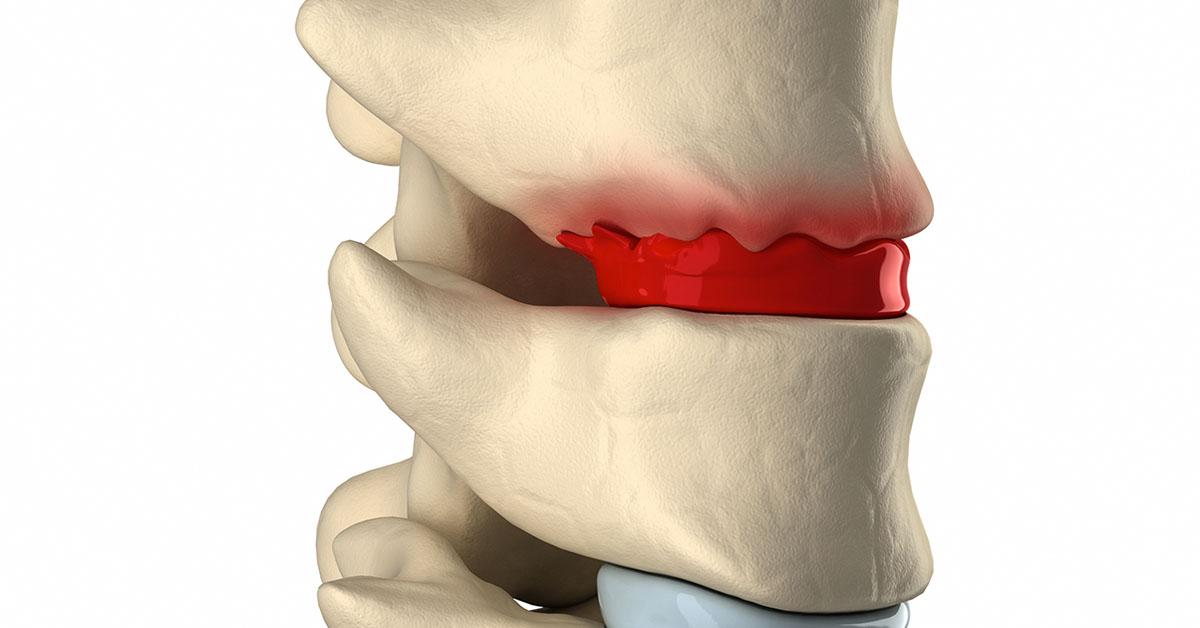
Managing Degenerative Disc Disease
Degenerative lumbar disc disease is a common cause of back pain. Understanding its mechanisms and treatment options is crucial for effectively alleviating these pains and improving quality of life.
What is degenerative lumbar disc disease?
Degenerative lumbar disc disease is characterized by the progressive degeneration of intervertebral discs, mainly in the lumbar region. Over time, these discs lose hydration and elasticity, leading to pain often described as a « bar » in the back, which can radiate to other body parts. The L5-S1 discs are most commonly affected.
Diagnosis and risk factors
Diagnosing degenerative lumbar disc disease typically involves a clinical examination followed by radiographs and an MRI. Risk factors include natural aging, overweight, certain back pathologies, poor lifestyle habits, lack of physical activity, and genetic predispositions.
Conservative treatment: The first step
Medication
For pain relief during a flare-up, analgesics, anti-inflammatories, and muscle relaxants are often prescribed. These medications help manage symptoms and improve patient comfort.
Physiotherapy
Physiotherapy plays a crucial role, aiming to relax muscles, particularly in painful positions, and work on postural realignment. Exercises to strengthen the core and abdominal belt can be incorporated to further support the spine.
Corticosteroid injections
In some cases, corticosteroid injections may be necessary to reduce inflammation and pain.
Back surgery: when other treatments are insufficient
If conservative treatment fails to sufficiently ease the pain or if the condition becomes too debilitating, back surgery may be considered. The main goal is to decrease lumbar pain by limiting the movements of affected discs.
Spinal fusion
Spinal fusion, a surgical procedure where vertebrae are fused together, is an option to stabilize the spine and alleviate pain. This intervention can be performed using modern techniques like mini invasive surgery, coupled with rapid recovery after surgery (RRAC).
The treatment of degenerative lumbar disc disease starts with conservative approaches like medication and physiotherapy. If these fail, surgical options such as spinal fusion may be considered.
At the Center for Endoscopic Spine Surgery, Dr. Léglise and his team utilize the latest techniques to ensure optimal care and a quick recovery. If you are suffering from degenerative disc disease, do not hesitate to schedule a specialized consultation.