
Catégorie : Narrow Lumbar Canal

  • Navigating the challenges of narrow lumbar canal

    Navigating the challenges of narrow lumbar canal

    Dealing with a narrow lumbar canal can be a significant health concern, often leading to discomfort and reduced mobility. It’s crucial to understand this condition, its symptoms, and the available treatment options. This guide provides an insightful overview of narrow lumbar canal, also known as lumbar stenosis, helping you navigate the diagnosis and treatment journey effectively.

    Understanding narrow lumbar canal

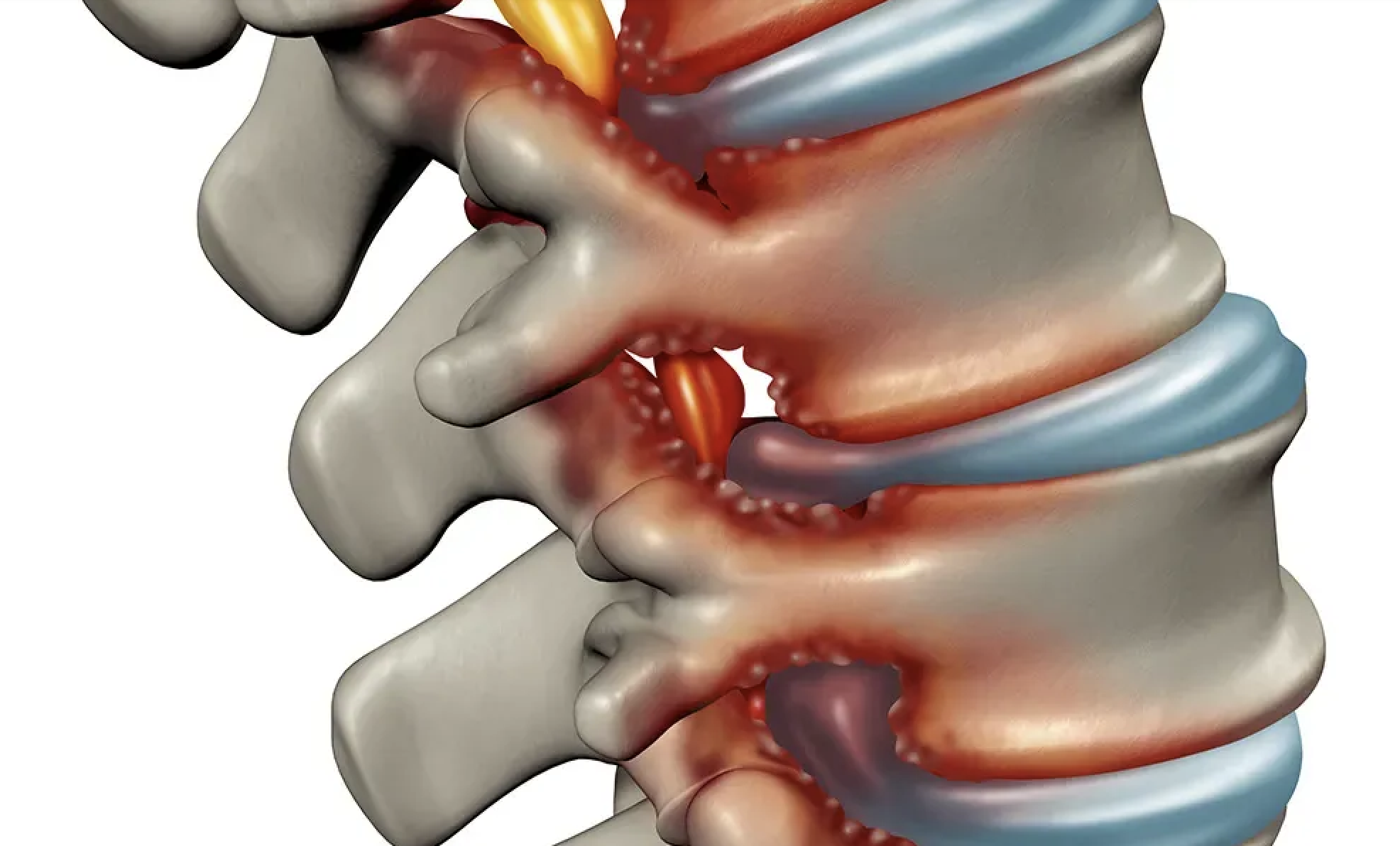
    Lumbar stenosis, commonly known as a narrow lumbar canal, is a degenerative condition resulting from the reduction in the diameter of the lumbar canal. This leads to the compression of nerve roots located within it. Here’s what you need to know about this disorder.

    Diagnosing narrow lumbar canal: how to spot it?

    The narrowing of the lumbar canal is characterized by bilateral pain in the lumbar region and the lower limbs, mainly when the patient is standing or walking. In rare cases, paralysis of the lower limbs and sphincter functions can occur.

    However, symptoms can be subtle and may be confused with other conditions. To confirm the diagnosis, your doctor may recommend imaging tests, such as:

    • An X-ray to identify indirect signs;
    • A CT scan, and especially an MRI, to visualize the canal and its contents;
    • An ultrasound of the lower limb arteries to rule out other causes of lower limb pain.

    Treatments for narrow lumbar canal: what are the options?

    Except in cases of motor deficit, unbearable pain, or paralysis of sphincter functions, a conservative medical approach can be considered with:

    • Pain relievers;
    • Anti-inflammatories;
    • Canal infiltration;
    • Rehabilitation, among others.
    • If these methods do not provide relief, surgical intervention may be considered to enlarge the canal. This surgery, performed under anesthesia, primarily aims to decompress the nerve elements by removing tissues, bone fragments, or herniated discs obstructing the passage. The surgical technique will depend on the type of stenosis and the elements to be removed.

    Postoperative results: what to expect after narrow lumbar canal surgery?

    Although surgery may not always eliminate all symptoms, especially if the nerve root has been damaged over a long period, most patients experience a significant improvement.

    In general, partial autonomy is regained 24 hours after the procedure, and symptoms such as pain, numbness, and tingling tend to disappear within a few weeks.
     

  • Diagnosing Narrow Lumbar Canal: A comprehensive guide

    Diagnosing Narrow Lumbar Canal: A comprehensive guide

    At the Center for Endoscopic Spine Surgery, Dr. Léglise provides insights on diagnosing a narrow lumbar canal.

    Lower back and leg pain can be debilitating, impacting your quality of life and daily activities. If you’re experiencing fatigue, tingling, or cramps in your lower limbs, understanding how to diagnose a narrow lumbar canal is crucial. Dr. Léglise and his team at the Center for Endoscopic Spine Surgery are here to guide you through this essential diagnostic process.

    The structure of the spine

    The spine, also known as the vertebral column, is a marvel of biological engineering. Comprising 24 stacked vertebrae connected by essential joints, it houses the spinal canal – a central opening in each vertebra through which the spinal cord and nerves responsible for sensations and movements in the body below the head travel. The three main joints – the intervertebral disc and the two posterior joints – work in harmony to ensure smooth mobility while providing solid support.

    Understanding narrow lumbar canal

    Narrow lumbar canal, a common condition, typically develops gradually due to spinal osteoarthritis, the natural wear and tear of joints. This osteoarthritis can lead to a narrowing of the spinal canal where essential nerves to the lower limbs and sphincters pass. Picture it like the fingers of an aging hand, which tend to thicken due to osteoarthritis, thus reducing space for nerves.

    Contributing factors and symptoms

    Other factors, like a vertebra slipping (spondylolisthesis), can also cause canal narrowing, though this is less common. When nerves are compressed, symptoms emerge. You might experience limping while walking, a feeling of fatigue, or tingling in your legs after a certain distance.

    Listening to your body: Recognizing the symptoms

    Pain is often the first alert of a narrow lumbar canal. Cramps and a feeling of fatigue in the lower limbs during walking are common. You might even feel as if your legs could give way. If pain forces you to frequently stop walking, you might unconsciously adopt the « caddy » posture. This instinctive forward-leaning gesture helps to artificially open the lumbar canal and foramina, providing temporary relief.

    Accurate diagnosis

    Dr. Léglise’s team at the Center for Endoscopic Spine Surgery conducts a series of comprehensive examinations for an accurate diagnosis. These include:

    • Static and dynamic lumbar radiographs: These images confirm the presence of spinal osteoarthritis and reveal the stability or instability of the vertebrae.
    • CT scan: Particularly effective in visualizing bony aspects, it confirms the diagnosis and specifies the number of affected vertebral levels.
    • MRI (Magnetic Resonance Imaging): The MRI is the examination of choice. In addition to the information provided by the CT scan, MRI shows direct narrowing on the nerves and identifies contributions from both bony structures and soft parts.

    Dr. Léglise’s expertise

    Dr. Léglise and his team are renowned specialists in spinal conditions. The Center for Endoscopic Spine Surgery offers cutting-edge solutions to treat narrow lumbar canal and improve your quality of life. If you’re experiencing symptoms similar to those described here, consult Dr. Léglise and his team for a thorough diagnosis and tailored care for your condition.