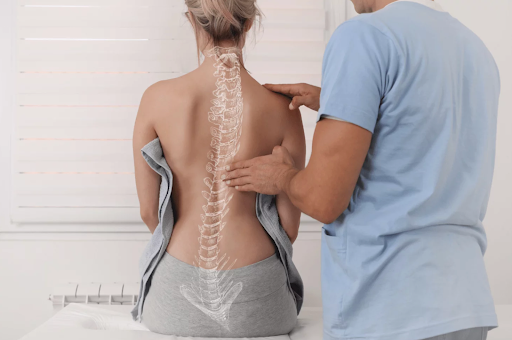
Recurrent disc herniation can be a challenge for many patients, even after successful treatment. However, making simple yet effective changes to your posture can significantly reduce the risk of recurrence. Adopting good daily habits helps protect the spine and enhances overall quality of life.
Understanding the connection between posture and disc herniation
A disc herniation occurs when the soft, gel-like core of an intervertebral disc pushes through its protective outer layer. This condition is often triggered or worsened by poor posture. Misalignment of the spine places excessive pressure on certain discs, increasing the likelihood of recurrence.
Improving posture ensures that the load is distributed evenly along the spine, relieving stress and protecting vulnerable intervertebral structures.
Common postural mistakes to avoid
Everyday activities can inadvertently strain the spine. Below are some common errors and tips to address them:
- Sitting for long periods without lumbar support: Use an ergonomic chair or a lumbar cushion to maintain the natural curve of your lower back.
- Bending forward to lift objects: Instead of bending at the waist, squat by bending your knees while keeping your back straight.
- Sleeping on an unsuitable mattress: Choose a mattress that provides balanced support—not too soft or too firm.
- Carrying heavy loads on one side: Distribute weight evenly or use a backpack rather than a shoulder bag.
Maintaining healthy posture at work
The workplace can be a significant source of back strain, particularly for those with sedentary jobs. Implementing these strategies can help protect your spine:
- Use an adjustable desk: If possible, alternate between sitting and standing throughout the day.
- Position your screen at eye level: This prevents constant neck bending.
- Take regular breaks: Stand and stretch every 30 minutes to release muscle tension.
- Invest in an ergonomic chair: A chair with proper lumbar support encourages an upright sitting posture.
Strengthening your back and core for added protection
A healthy posture also relies on the strength of muscles that support the spine. Strengthening your back, core, and abdominal muscles can help you maintain proper alignment throughout the day.
Incorporating activities such as Pilates, swimming, or targeted exercises recommended by a physiotherapist can enhance spinal stability and lower the risk of recurrence. These exercises build resilience in the muscles that protect your spine.
When to consult a specialist
If you have a history of disc herniation or experience persistent lower back pain, consulting a specialist is crucial. Personalized guidance can help identify specific postural mistakes and provide tailored solutions.
Specialists at the center offer comprehensive care for spinal conditions, including minimally invasive surgical options like endoscopic surgery for recurrent disc herniation, should it become necessary.
Building new habits to safeguard your spine
Changing postural habits may take some initial effort, but the long-term benefits for your spine are invaluable. By prioritizing good posture in your daily routine, you can reduce the risk of recurrent herniation and enjoy a better quality of life.
If you have questions or are seeking specialized care, schedule a virtual or in-person consultation to discuss your unique needs and learn about the best strategies to protect your spine.
Laisser un commentaire