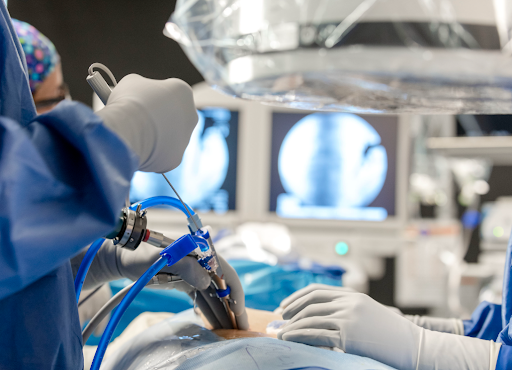
Spinal surgery, commonly performed to address conditions such as herniated discs or stenosis, is often associated with prolonged post-operative rehabilitation. However, the emergence of endoscopic spine surgery has transformed this process, minimizing trauma and accelerating recovery. This innovative approach offers significant advantages for patients seeking effective, minimally invasive solutions.
A minimally invasive approach at the forefront of innovation
Endoscopic spine surgery utilizes advanced techniques involving a miniaturized camera and surgical instruments inserted through small incisions. Unlike traditional surgical methods, which often require larger incisions and extensive manipulation of bones and tissues, this technique targets only the affected area, preserving the surrounding structures.
By reducing muscle and ligament damage, endoscopic surgery significantly decreases post-operative pain and the need for intensive rehabilitation. This precision ensures a gentler procedure, enabling patients to recover more quickly and with fewer physical therapy requirements.
Reduced pain and a quicker return to daily life
Minimizing post-operative discomfort
One of the most notable benefits of endoscopic spine surgery is the substantial reduction in post-operative pain. With smaller incisions and preserved surrounding tissues, patients experience less discomfort after surgery. This decreased pain level facilitates a faster return to daily activities and lessens the necessity for prolonged rehabilitative care.
Additionally, endoscopic surgery often avoids complications associated with traditional methods, such as muscle contractures or postural imbalances, which typically demand extended rehabilitation.
A more focused approach to rehabilitation
Shifting priorities in recovery
While rehabilitation remains essential for optimal results, its role evolves with endoscopic surgery. Instead of addressing collateral damage from the procedure, physical therapy focuses on rebuilding muscle strength and improving overall spinal mobility.
Patients often require fewer sessions, with the primary goal being to guide them in resuming their normal activities and preventing potential recurrences. This streamlined approach also enhances adherence to post-operative recommendations, as patients see encouraging and rapid progress.
Who is a good candidate for endoscopic spine surgery?
Endoscopic spine surgery is suitable for various conditions, including herniated discs, spinal stenosis, and some cases of lumbar disc disease. It is especially beneficial for individuals who wish to minimize disruptions to their professional or personal lives due to its minimal impact on anatomical structures and its rapid recovery process.
However, each patient’s situation is unique. A personalized evaluation is necessary to determine if this technique is the most appropriate option for their condition.
Redefining spinal surgery standards
By minimizing trauma and expediting recovery, endoscopic spine surgery sets a new standard in treating spinal pathologies. This advanced technique exemplifies a significant breakthrough for patients seeking effective, minimally invasive solutions.
If you are experiencing spinal pain or considering surgery, scheduling a consultation can help you explore the best options for your situation. Endoscopic spine surgery could be the ideal solution to enhance your quality of life. Virtual consultations are available for international patients interested in learning more about this innovative approach.
Laisser un commentaire