Back Pain Surgery in France

Our Blog

  • Spinal fusion surgery for herniated discs: when is it really necessary?

    Spinal fusion surgery for herniated discs: when is it really necessary?

    Herniated discs are a common spinal condition that can cause significant, sometimes debilitating, pain. While most cases can be managed with non-invasive treatments, certain situations call for surgical intervention, particularly spinal fusion surgery. But when is this procedure truly necessary? Let’s explore the indications and benefits of spinal fusion for herniated discs.

    What is spinal fusion?

    Spinal fusion is a surgical procedure designed to join two or more vertebrae to stabilize the spine. It is often performed when the spine exhibits significant instability or when chronic pain persists despite non-surgical treatments. The goal is to relieve symptoms and improve the patient’s quality of life.

    During the procedure, bone grafts and fixation devices such as screws or plates are used to hold the vertebrae in place while they naturally fuse over time.

    When does a herniated disc require surgery?

    Failure of conservative treatments

    In most cases, herniated discs can be successfully treated with conservative approaches, such as physical therapy, anti-inflammatory medications, or injections. However, if these methods fail to alleviate pain after several months, surgical intervention may become necessary.

    Severe neurological symptoms

    Herniated discs can compress nearby nerve roots or the spinal cord, leading to serious symptoms such as muscle weakness, loss of sensation, or mobility issues. In severe cases, this compression can result in partial paralysis or urinary incontinence, necessitating urgent surgical intervention.

    Spinal instability

    If a herniated disc is accompanied by spinal instability, spinal fusion may be recommended. Instability can cause abnormal movement between vertebrae, worsening pain and increasing the risk of complications.

    Recurrence of a herniated disc

    In some instances, a herniated disc may recur after initial surgical removal, either at the same site or in another segment of the spine. If this leads to severe symptoms, spinal fusion may be required to provide long-term stability to the spine.

    Benefits of spinal fusion for herniated discs

    Spinal fusion offers several advantages for patients with severe or complex herniated discs. These include:

    • Long-lasting pain relief: By stabilizing the spine, spinal fusion reduces nerve compression, which is often the source of radiating pain.
    • Improved mobility: Although the procedure limits movement at the fused vertebrae, it helps patients regain overall functional ability and quality of life.
    • Reduced risk of recurrence: Fusing the vertebrae minimizes the likelihood of new herniated discs forming at the same level.

    How is spinal fusion performed?

    Pre-surgery preparation

    Before the surgery, patients undergo thorough imaging tests such as MRIs or CT scans to precisely locate the herniation and assess vertebral health.

    The procedure

    The surgery is performed under general anesthesia. The surgeon accesses the spine, removes the portion of the disc causing nerve compression, and places bone grafts and fixation devices to stabilize the vertebrae. The procedure’s duration varies depending on the complexity of the case.

    Post-surgery recovery

    Following the surgery, patients undergo a recovery period that includes physical therapy and rehabilitation. These steps are essential to restore mobility and strengthen the supporting muscles of the spine.

    Is spinal fusion always the best option?

    It’s important to note that spinal fusion is not the only solution for herniated discs. Every case is unique, and treatment decisions depend on factors such as the patient’s age, the overall condition of their spine, and the severity of symptoms. Other procedures, like discectomy or endoscopic techniques, may be sufficient in some cases.

    A specialist’s evaluation is critical to determine the most appropriate course of action. A comprehensive assessment ensures the chosen treatment aligns with the patient’s needs, balancing the risks and benefits.

    Your consultation with a spine specialist

    Spinal fusion is a highly effective solution for patients with complex herniated discs or associated spinal instability. While it is typically a last resort after conservative treatments have failed, it offers significant, long-term relief from pain and improvements in quality of life.

    If you have questions about this procedure or wish to assess your condition, you can schedule a consultation with a specialist. Virtual consultations are available for international patients seeking expert advice. By exploring your options, you can make informed decisions about your care and take the first step toward lasting relief.

  • The dangers of self-medication for back pain: why consulting a specialist is essential

    The dangers of self-medication for back pain: why consulting a specialist is essential

    Back pain is one of the most common health complaints, affecting a large portion of the population at some point in their lives. When faced with this discomfort, many individuals turn to self-medication, hoping for quick relief. However, this approach can be risky, or even dangerous, when used as a substitute for professional medical care. Understanding the risks of self-medication and the importance of consulting a specialist can help you address back pain safely and effectively.

    What is self-medication and why is it common?

    Self-medication involves taking over-the-counter medications without a prescription to alleviate symptoms or discomfort. For back pain, people often rely on pain relievers, anti-inflammatory drugs, or muscle relaxants.

    This practice is driven by several factors:

    • Easy access to medications.
    • A belief that back pain is « minor » or temporary.
    • Concerns about time or financial costs associated with medical consultations.

    However, treating back pain without understanding its root cause can have serious consequences for your health.

    The risks of self-medication for back pain

    Masking symptoms without treating the cause

    One of the biggest dangers of self-medication is that it can mask symptoms while leaving the underlying condition untreated. Back pain could be a sign of more serious issues, such as a herniated disc, spinal stenosis, or an inflammatory condition. By using medications to temporarily alleviate pain, you risk delaying the diagnosis and proper treatment, potentially allowing the condition to worsen.

    Side effects of medications

    Even over-the-counter drugs can carry risks. For instance:

    • Non-steroidal anti-inflammatory drugs (NSAIDs): Prolonged use or excessive doses can lead to gastrointestinal issues, ulcers, or even kidney problems.
    • Powerful painkillers: These may cause dependency or side effects such as drowsiness or digestive problems.
    • Muscle relaxants: Without proper guidance, they can lead to muscle weakness and impaired coordination.

    Taking these medications without professional supervision can exacerbate health issues instead of resolving them.

    Drug interactions

    If you are already taking medications for chronic conditions, self-medication can lead to harmful drug interactions. Only a healthcare professional can assess the risks and adjust your treatment accordingly.

    Why consulting a specialist is crucial

    Accurate diagnosis

    Back pain can have many causes, ranging from muscle strains to herniated discs, arthritis, or even infections. Without a precise diagnosis, effective treatment is impossible. A specialist uses detailed assessments and advanced diagnostic tools to identify the exact source of your discomfort.

    Personalized treatment

    Once the cause of your back pain is identified, a tailored treatment plan can be developed. This may include:

    • Prescription medications with appropriate dosages.
    • Physical therapy or osteopathy sessions.
    • Advanced techniques, such as minimally invasive endoscopic surgery, for cases requiring intervention.

    This approach not only provides relief but also addresses the root cause of the pain.

    Prevention of complications

    Delaying or mismanaging treatment can lead to long-term complications, such as chronic pain or loss of mobility. Consulting a specialist at the first sign of back pain increases your chances of a complete and speedy recovery.

    Alternatives to self-medication for managing back pain

    Rest and posture management

    Moderate rest and improved posture can alleviate some types of back pain. Ergonomic chairs, lumbar cushions, and proper lifting techniques can prevent symptoms from worsening.

    Gentle exercises

    Strengthening and stretching exercises tailored to your condition can improve mobility and reduce muscle tension. Always perform these under professional supervision to avoid aggravating your pain.

    Complementary therapies

    Techniques such as acupuncture, yoga, or therapeutic massage can complement medical treatments by providing additional relief and promoting relaxation.

    Take control of your back pain with expert care

    While self-medication may seem like a quick and easy solution, it comes with significant risks. Masking symptoms without understanding their cause can lead to serious complications and delayed treatment.

    If you’re experiencing back pain, don’t take unnecessary risks. Consult a specialist for an accurate diagnosis and personalized treatment plan. Virtual consultations are also available for international patients seeking expert advice. By addressing your pain at its source, you can improve your quality of life and prevent further complications. Schedule your appointment today to take the first step toward a healthier, pain-free future.

  • Navigating the challenges of narrow lumbar canal

    Navigating the challenges of narrow lumbar canal

    Dealing with a narrow lumbar canal can be a significant health concern, often leading to discomfort and reduced mobility. It’s crucial to understand this condition, its symptoms, and the available treatment options. This guide provides an insightful overview of narrow lumbar canal, also known as lumbar stenosis, helping you navigate the diagnosis and treatment journey effectively.

    Understanding narrow lumbar canal

    Lumbar stenosis, commonly known as a narrow lumbar canal, is a degenerative condition resulting from the reduction in the diameter of the lumbar canal. This leads to the compression of nerve roots located within it. Here’s what you need to know about this disorder.

    Diagnosing narrow lumbar canal: how to spot it?

    The narrowing of the lumbar canal is characterized by bilateral pain in the lumbar region and the lower limbs, mainly when the patient is standing or walking. In rare cases, paralysis of the lower limbs and sphincter functions can occur.

    However, symptoms can be subtle and may be confused with other conditions. To confirm the diagnosis, your doctor may recommend imaging tests, such as:

    • An X-ray to identify indirect signs;
    • A CT scan, and especially an MRI, to visualize the canal and its contents;
    • An ultrasound of the lower limb arteries to rule out other causes of lower limb pain.

    Treatments for narrow lumbar canal: what are the options?

    Except in cases of motor deficit, unbearable pain, or paralysis of sphincter functions, a conservative medical approach can be considered with:

    • Pain relievers;
    • Anti-inflammatories;
    • Canal infiltration;
    • Rehabilitation, among others.
    • If these methods do not provide relief, surgical intervention may be considered to enlarge the canal. This surgery, performed under anesthesia, primarily aims to decompress the nerve elements by removing tissues, bone fragments, or herniated discs obstructing the passage. The surgical technique will depend on the type of stenosis and the elements to be removed.

    Postoperative results: what to expect after narrow lumbar canal surgery?

    Although surgery may not always eliminate all symptoms, especially if the nerve root has been damaged over a long period, most patients experience a significant improvement.

    In general, partial autonomy is regained 24 hours after the procedure, and symptoms such as pain, numbness, and tingling tend to disappear within a few weeks.


  • Causes of lumbar spinal stenosis: A complete guide

    Causes of lumbar spinal stenosis: A complete guide

    The lumbar spinal canal plays a vital role in our spinal health and nervous system function. However, it can sometimes narrow, leading to symptoms of discomfort and pain. This article delves into the underlying causes of lumbar spinal stenosis, offering an expert overview of factors to consider and available solutions for regaining well-being.

    Understanding lumbar spinal stenosis

    The lumbar spinal canal, which houses the spinal cord and nerve roots, can become narrow for various reasons. This narrowing can put pressure on nerve structures, causing a range of uncomfortable symptoms. Understanding the underlying causes is crucial for taking appropriate measures and finding suitable solutions.

    Factors contributing to lumbar spinal stenosis

    • Osteoarthrosis: Osteoarthrosis is one of the primary causes of lumbar spinal stenosis. Degenerative changes associated with osteoarthritis can lead to abnormal bone and tissue growth, reducing space in the canal.
    • Disc herniations: The intervertebral discs located between the vertebrae can weaken over time and compress the lumbar canal. Disc herniations can also cause inflammation contributing to narrowing.
    • Excessive bone growth: In some cases, excessive bone growth, known as osteophytes, can develop in the lumbar canal. This may be a response to previous damage or osteoarthritis.
    • Trauma: Previous injuries, such as fractures or trauma, can contribute to lumbar spinal stenosis by altering bone structure.
    • Genetic factors: Some individuals may be genetically predisposed to developing lumbar stenosis due to their spinal structure.

    The importance of medical consultation

    If you experience symptoms like lower back pain, numbness, tingling, or difficulty walking, consulting a qualified health professional is essential. A specialist in endoscopic spine surgery can assess your situation and recommend the best approaches for treating lumbar spinal stenosis.

    Tailored solutions with endoscopic spine surgery

    If conservative treatments fail to alleviate your symptoms, surgery may be considered. Endoscopic spine surgery, as practiced at specialized centers, offers a modern and minimally invasive option for treating lumbar spinal stenosis.

    Benefits of endoscopic surgery

    • Reduced postoperative pain: Compared to traditional surgery, endoscopic spine surgery is generally associated with less postoperative pain.
    • Quicker recovery: Smaller incisions used in endoscopic surgery allow for faster recovery and a quicker return to daily activities.
    • Less impact on surrounding tissues: The less invasive nature of endoscopic surgery reduces muscle trauma and limits scarring.

    Taking steps for a healthy future

    Lumbar spinal stenosis doesn’t have to compromise your quality of life. Teams at specialized spine surgery centers are committed to providing high-quality care to help you regain comfort and mobility.

    If you suffer from symptoms of lumbar spinal stenosis, consulting an experienced health professional is crucial. Specialized centers are ready to assess your situation and guide you toward the best treatment solutions.


  • Diagnosing Narrow Lumbar Canal: A comprehensive guide

    Diagnosing Narrow Lumbar Canal: A comprehensive guide

    At the Center for Endoscopic Spine Surgery, Dr. Léglise provides insights on diagnosing a narrow lumbar canal.

    Lower back and leg pain can be debilitating, impacting your quality of life and daily activities. If you’re experiencing fatigue, tingling, or cramps in your lower limbs, understanding how to diagnose a narrow lumbar canal is crucial. Dr. Léglise and his team at the Center for Endoscopic Spine Surgery are here to guide you through this essential diagnostic process.

    The structure of the spine

    The spine, also known as the vertebral column, is a marvel of biological engineering. Comprising 24 stacked vertebrae connected by essential joints, it houses the spinal canal – a central opening in each vertebra through which the spinal cord and nerves responsible for sensations and movements in the body below the head travel. The three main joints – the intervertebral disc and the two posterior joints – work in harmony to ensure smooth mobility while providing solid support.

    Understanding narrow lumbar canal

    Narrow lumbar canal, a common condition, typically develops gradually due to spinal osteoarthritis, the natural wear and tear of joints. This osteoarthritis can lead to a narrowing of the spinal canal where essential nerves to the lower limbs and sphincters pass. Picture it like the fingers of an aging hand, which tend to thicken due to osteoarthritis, thus reducing space for nerves.

    Contributing factors and symptoms

    Other factors, like a vertebra slipping (spondylolisthesis), can also cause canal narrowing, though this is less common. When nerves are compressed, symptoms emerge. You might experience limping while walking, a feeling of fatigue, or tingling in your legs after a certain distance.

    Listening to your body: Recognizing the symptoms

    Pain is often the first alert of a narrow lumbar canal. Cramps and a feeling of fatigue in the lower limbs during walking are common. You might even feel as if your legs could give way. If pain forces you to frequently stop walking, you might unconsciously adopt the « caddy » posture. This instinctive forward-leaning gesture helps to artificially open the lumbar canal and foramina, providing temporary relief.

    Accurate diagnosis

    Dr. Léglise’s team at the Center for Endoscopic Spine Surgery conducts a series of comprehensive examinations for an accurate diagnosis. These include:

    • Static and dynamic lumbar radiographs: These images confirm the presence of spinal osteoarthritis and reveal the stability or instability of the vertebrae.
    • CT scan: Particularly effective in visualizing bony aspects, it confirms the diagnosis and specifies the number of affected vertebral levels.
    • MRI (Magnetic Resonance Imaging): The MRI is the examination of choice. In addition to the information provided by the CT scan, MRI shows direct narrowing on the nerves and identifies contributions from both bony structures and soft parts.

    Dr. Léglise’s expertise

    Dr. Léglise and his team are renowned specialists in spinal conditions. The Center for Endoscopic Spine Surgery offers cutting-edge solutions to treat narrow lumbar canal and improve your quality of life. If you’re experiencing symptoms similar to those described here, consult Dr. Léglise and his team for a thorough diagnosis and tailored care for your condition.


  • Managing Degenerative Disc Disease

    Managing Degenerative Disc Disease

    Degenerative lumbar disc disease is a common cause of back pain. Understanding its mechanisms and treatment options is crucial for effectively alleviating these pains and improving quality of life.

    What is degenerative lumbar disc disease?

    Degenerative lumbar disc disease is characterized by the progressive degeneration of intervertebral discs, mainly in the lumbar region. Over time, these discs lose hydration and elasticity, leading to pain often described as a « bar » in the back, which can radiate to other body parts. The L5-S1 discs are most commonly affected.

    Diagnosis and risk factors

    Diagnosing degenerative lumbar disc disease typically involves a clinical examination followed by radiographs and an MRI. Risk factors include natural aging, overweight, certain back pathologies, poor lifestyle habits, lack of physical activity, and genetic predispositions.

    Conservative treatment: The first step

    Medication

    For pain relief during a flare-up, analgesics, anti-inflammatories, and muscle relaxants are often prescribed. These medications help manage symptoms and improve patient comfort.

    Physiotherapy

    Physiotherapy plays a crucial role, aiming to relax muscles, particularly in painful positions, and work on postural realignment. Exercises to strengthen the core and abdominal belt can be incorporated to further support the spine.

    Corticosteroid injections

    In some cases, corticosteroid injections may be necessary to reduce inflammation and pain.

    Back surgery: when other treatments are insufficient

    If conservative treatment fails to sufficiently ease the pain or if the condition becomes too debilitating, back surgery may be considered. The main goal is to decrease lumbar pain by limiting the movements of affected discs.

    Spinal fusion

    Spinal fusion, a surgical procedure where vertebrae are fused together, is an option to stabilize the spine and alleviate pain. This intervention can be performed using modern techniques like mini invasive surgery, coupled with rapid recovery after surgery (RRAC).

    The treatment of degenerative lumbar disc disease starts with conservative approaches like medication and physiotherapy. If these fail, surgical options such as spinal fusion may be considered.

    At the Center for Endoscopic Spine Surgery, Dr. Léglise and his team utilize the latest techniques to ensure optimal care and a quick recovery. If you are suffering from degenerative disc disease, do not hesitate to schedule a specialized consultation.


  • Professionnal sportive could be operated by minimal invasive technique

    Professionnal sportive could be operated by minimal invasive technique
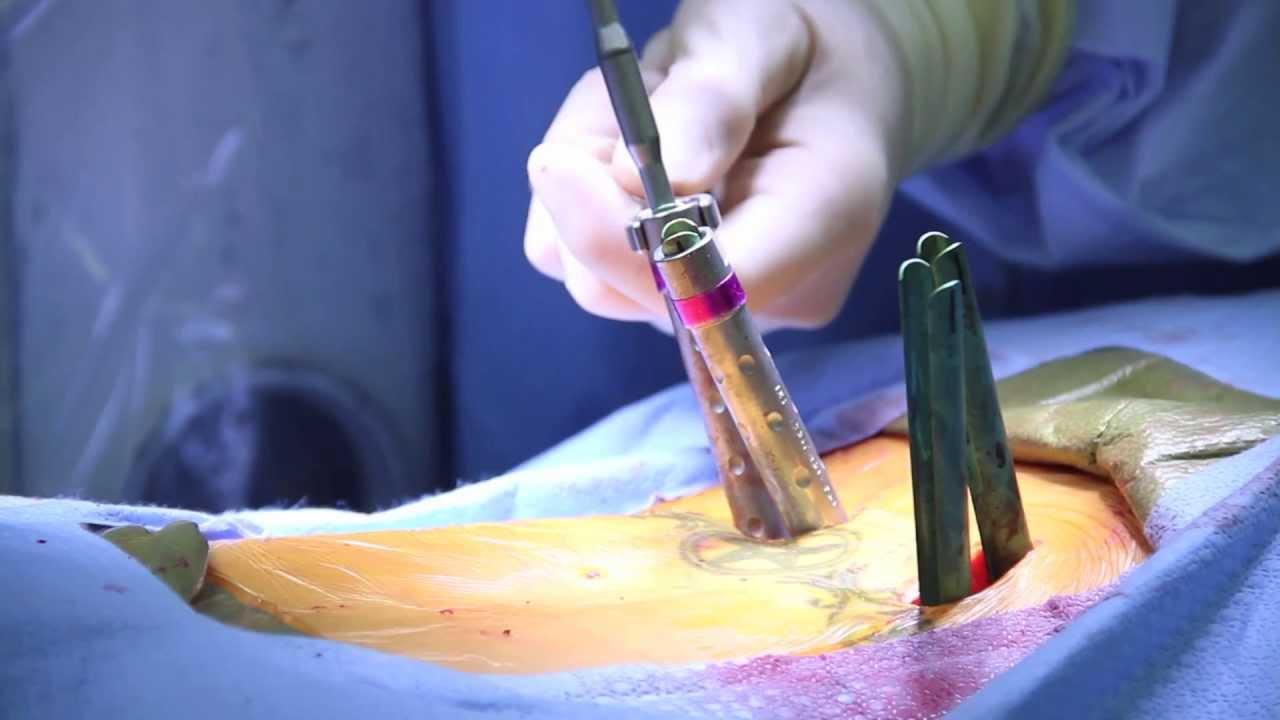
    FC Barcelona’s goalkeeper Marc-André ter Stegen recently underwent a successful back surgery, a pivotal moment in his sports career. This procedure was carried out by Dr. Amélie Léglise, a leading figure in the field of endoscopic back surgery.

    Marc-André ter Stegen’s surgical procedure

    Marc-André ter Stegen, who had been off the field since November 12 due to back pain, underwent surgery on December 8 at a specialized clinic. The operation was performed by Dr. Amélie Léglise, under the supervision of the Club’s Medical Service, at the Bordeaux Mérignac Sports Clinic.

    Dr. Léglise’s expertise in endoscopic surgery

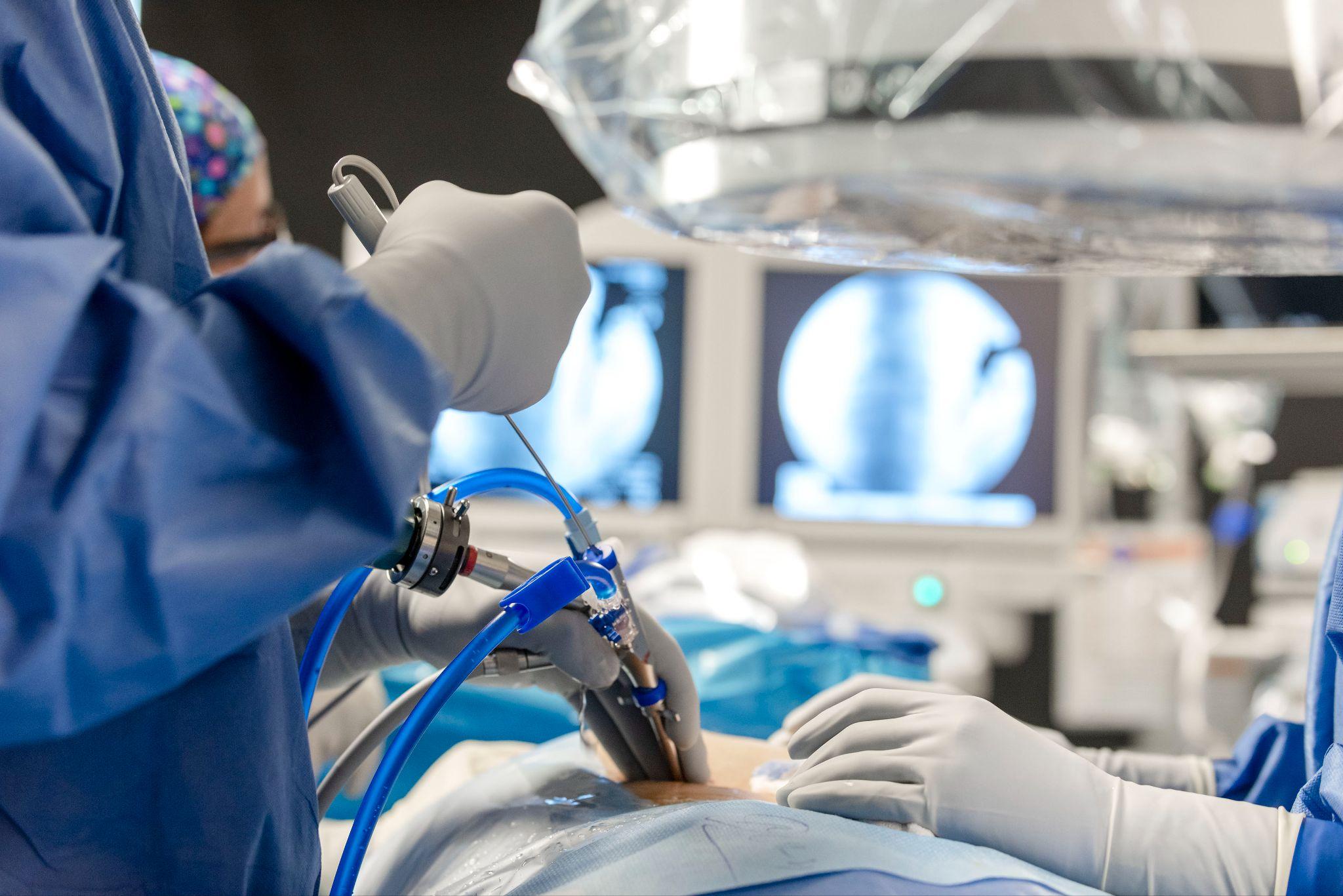
    Dr. Léglise’s specialty, endoscopic back surgery, is a minimally invasive technique effectively treating various spinal pathologies, including those encountered by top athletes like Ter Stegen. This method offers several benefits, including reduced risk of complications and faster recovery time.

    Ter Stegen’s return to the field

    While FC Barcelona remains discreet about the exact duration of Ter Stegen’s unavailability, hopes are high for a swift return, potentially for the Champions League round of 16 in February. The success of the operation and Dr. Léglise’s reputation in endoscopic surgery suggest a positive prognosis.

    Endoscopic surgery: a revolution in treating lumbar pathologies

    Endoscopic surgery, with its precision and less traumatic approach compared to traditional surgical methods, represents a significant advancement in treating spinal disorders. High-level athletes, like Marc-André ter Stegen, particularly benefit from this technology, allowing for a quicker return to optimal performance levels.

    If you are experiencing back pain or wish to learn more about treatment options, do not hesitate to schedule an appointment with Dr. Léglise at the Center for Endoscopic Spine Surgery in Bordeaux to benefit from her expertise.


  • Minimally invasive lumbar in France

    Minimally invasive lumbar fusion at the Center for Endoscopic Spine Surgery in Bordeaux, France

    The health of the spine is essential for overall well-being. Among the procedures designed to restore spinal stability and functionality, minimally invasive anterior lumbar fusion stands out for its advanced technique.

    At the Center for Endoscopic Spine Surgery, we highlight this procedure for its numerous benefits.

    What is minimally invasive lumbar fusion?

    Minimally invasive lumbar fusion involves fusing two adjacent vertebrae to stabilize a region of the spine. A device known as a « cage, » which is essentially a spacer, is placed between these vertebrae after being filled with graft material, either synthetic or harvested from the patient’s pelvis. Often, an additional plate is used to enhance stabilization.

    How is the procedure performed?

    Carried out under general anesthesia, the operation usually lasts between 1 and 2 hours. The surgeon accesses the spine through an anterior incision, either in the center or slightly off-center of the lower abdomen.

    What are the associated risks?

    Like any surgery, minimally invasive lumbar fusion carries certain risks, although they are rare. These risks include hemorrhagic complications, temporary neurological complications, mechanical problems related to the implant, and infection risk.

    What to expect after the operation?

    Our patients can typically get up the evening or the day after the surgery with the help of our dedicated physiotherapists. Returning home is usually considered as soon as intestinal transit resumes, generally between the 2nd and 4th postoperative days.

    Success rate of the procedure

    According to several studies, minimally invasive anterior lumbar fusion has an impressive success rate of 80-85%. We ensure that each patient receives postoperative follow-up to monitor their clinical recovery and bone consolidation, which typically takes 6 to 12 months.

    Minimally invasive lumbar fusion is an advanced surgical option for patients seeking a lasting solution to spinal problems. At the Center for Endoscopic Spine Surgery, we are proud to offer this cutting-edge intervention and support our patients throughout their healing journey.

    Consider consulting with the Center for Endoscopic Spine Surgery in Bordeaux to explore the benefits of this technique.


  • Endoscopic spine surgery : Cervical disc herniation treatment

    Endoscopic spine surgery : Cervical disc herniation treatment

    Cervical disc herniations can be a significant source of pain and discomfort for many patients, profoundly impacting their quality of life by limiting mobility and causing severe pain. However, with recent advances in surgical techniques, an innovative and less invasive approach is now available: endoscopic spine surgery.

    Understanding cervical disc herniation

    A disc herniation occurs when the nucleus of an intervertebral disc escapes through the surrounding fibrous ring. This protruding fragment can press on nerve roots, causing pain radiating into the arm. In more severe cases, the spinal cord itself may be affected, leading to complex neurological symptoms.

    The importance of diagnosis

    In addition to physical examination, the diagnosis of a cervical disc herniation relies heavily on MRI, sometimes supplemented by electromyography or CT scans. Symptoms vary depending on the exact location of the herniation. For instance, a C7 – D1 herniation might lead to weakness and tingling in the fingers, while a C4 – C5 herniation could present as shoulder pain or weakness in the upper arm.

    Endoscopic intervention: A significant advancement

    The goal of cervical disc herniation surgery is to remove the herniation and decompress the nerve. This procedure, performed through a short incision on the anterior aspect of the spine, utilizes the endoscopic system to largely preserve the intervertebral disc. This less invasive approach offers numerous advantages over traditional methods.

    Benefits of the endoscopic technique

    Beyond being less invasive, endoscopic spine surgery results in particularly straightforward postoperative recovery. Patients experience immediate relief and can quickly resume their daily activities. This rapid recovery is a crucial aspect for many patients eager to regain their mobility and quality of life as soon as possible.

    The patient journey: From preparation to recovery

    Prior to the procedure, patients receive attentive and professional care. An orderly escorts them to the operating room, where they are greeted by the anesthetist and their nurse in the pre-anesthesia room. Once sedated, patients benefit from the expertise of the surgical team for about an hour. After surgery, patients are monitored in the recovery room before returning to their ward.

    Rapid and guided recovery

    Recovery after endoscopic spine surgery is often remarkably swift. Upon returning to their room, patients are offered a snack or meal. The IV is removed, allowing them to shower and stretch their legs. Physiotherapists, in collaboration with the surgical team, visit the patient the same evening in their room, and the next morning for the first rehabilitation session.

    A new era for cervical disc herniation treatment

    Endoscopic spine surgery, as performed by our team, represents a significant advancement in the treatment of cervical disc herniations. This less invasive approach provides patients with a faster, less painful recovery while preserving the integrity of the intervertebral disc as much as possible.

    If you are suffering from pain related to a cervical disc herniation, consider consulting with the Center for Endoscopic Spine Surgery in Bordeaux to explore the benefits of this technique.

  • Endoscopic spine surgery: minimizing risks and enhancing recovery

    Endoscopic spine surgery: minimizing risks and enhancing recovery

    Endoscopic spine surgery marks a pivotal advancement in spinal healthcare, revolutionizing the way spinal conditions are treated. This state-of-the-art approach significantly diminishes the risks typically associated with traditional spinal surgeries while expediting the patient’s recovery journey.

    Understanding endoscopic back surgery

    Endoscopic spine surgery incorporates the use of specialized cameras and instruments, introduced through minimal incisions, often just a few centimeters long. This technique stands in contrast to conventional surgery methods, offering a less invasive option. By reducing muscle and bone trauma, it significantly streamlines the patient’s rehabilitation process.

    Ideal candidates for endoscopic surgical procedures

    This form of surgery is particularly beneficial for conditions that don’t require extensive hardware implantation, such as screws or rods. It’s proven effective for managing sciatica, cruralgia, narrow lumbar canals, and various forms of disc herniations and lumbar stenosis. A notable advantage of this method is its potential to reduce the need for more invasive lumbar fusion surgeries, therefore avoiding extensive vertebral fusions.

    Advantages of endoscopic spine surgery

    Choosing endoscopic spine surgery translates into numerous patient benefits:

    • Accelerated recovery timeline, enabling patients to return to their daily activities sooner.
    • Smaller incisions lead to reduced postoperative discomfort and lower dependency on pain medication.
    • Significant decrease in blood loss during surgery.
    • Lower risk of infection due to the minimally invasive nature of the procedure.
    • Preservation of spinal stability by avoiding extensive lumbar fusions.

    The lumbar spine endoscopy procedure explained

    During a lumbar spine endoscopy, patients are placed under general anesthesia for optimal immobility and safety. Through advanced radiological guidance, surgeons meticulously perform the procedure, introducing the endoscopic camera directly to the affected vertebral area. This approach allows for precise nerve decompression, akin to conventional open surgery but with minimized muscle disruption. Post-surgery, careful monitoring of the incision sites ensures proper healing.

    Understanding the risks of endoscopic back surgery

    While endoscopic spine surgery is relatively low-risk, it’s important for patients to be aware of potential complications. Nerve damage, although rare, is a consideration. Infections are also possible but occur less frequently compared to traditional surgery methods. Dural tears, involving the membrane around the nerves, can happen but are a manageable aspect of this surgery.

    Endoscopic spine surgery at our center not only offers a safer, less invasive treatment option but also a quicker path to recovery, reflecting our commitment to advanced spinal care and patient wellbeing.