 Endoscopic spine surgery: minimizing risks and enhancing recovery
Endoscopic spine surgery marks a pivotal advancement in spinal healthcare, revolutionizing the way spinal conditions are treated. This state-of-the-art approach significantly diminishes the risks typically associated with traditional spinal surgeries while expediting the patient’s recovery journey.
Understanding endoscopic back surgery
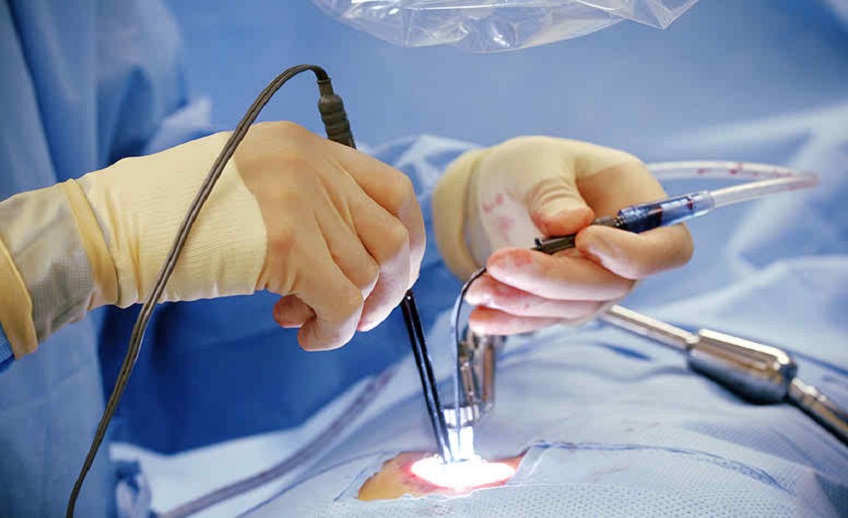
Endoscopic spine surgery incorporates the use of specialized cameras and instruments, introduced through minimal incisions, often just a few centimeters long. This technique stands in contrast to conventional surgery methods, offering a less invasive option. By reducing muscle and bone trauma, it significantly streamlines the patient’s rehabilitation process.
Ideal candidates for endoscopic surgical procedures
This form of surgery is particularly beneficial for conditions that don’t require extensive hardware implantation, such as screws or rods. It’s proven effective for managing sciatica, cruralgia, narrow lumbar canals, and various forms of disc herniations and lumbar stenosis. A notable advantage of this method is its potential to reduce the need for more invasive lumbar fusion surgeries, therefore avoiding extensive vertebral fusions.
Advantages of endoscopic spine surgery
Choosing endoscopic spine surgery translates into numerous patient benefits:
- Accelerated recovery timeline, enabling patients to return to their daily activities sooner.
- Smaller incisions lead to reduced postoperative discomfort and lower dependency on pain medication.
- Significant decrease in blood loss during surgery.
- Lower risk of infection due to the minimally invasive nature of the procedure.
- Preservation of spinal stability by avoiding extensive lumbar fusions.
The lumbar spine endoscopy procedure explained
During a lumbar spine endoscopy, patients are placed under general anesthesia for optimal immobility and safety. Through advanced radiological guidance, surgeons meticulously perform the procedure, introducing the endoscopic camera directly to the affected vertebral area. This approach allows for precise nerve decompression, akin to conventional open surgery but with minimized muscle disruption. Post-surgery, careful monitoring of the incision sites ensures proper healing.
Understanding the risks of endoscopic back surgery
While endoscopic spine surgery is relatively low-risk, it’s important for patients to be aware of potential complications. Nerve damage, although rare, is a consideration. Infections are also possible but occur less frequently compared to traditional surgery methods. Dural tears, involving the membrane around the nerves, can happen but are a manageable aspect of this surgery.
Endoscopic spine surgery at our center not only offers a safer, less invasive treatment option but also a quicker path to recovery, reflecting our commitment to advanced spinal care and patient wellbeing.
Laisser un commentaire