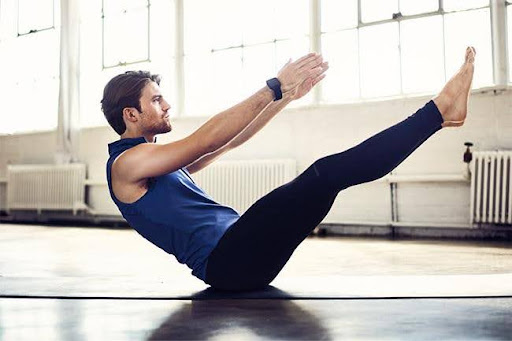
Maintaining a healthy back relies not only on overall muscle strength but also on specific muscles that are often overlooked: the pelvic floor and transverse muscles. These muscles play a crucial role in supporting the spine and preventing many issues, including herniated discs. Pilates, a gentle and effective method of muscle strengthening, is particularly recommended for targeting these areas. In this article, we’ll explore why it’s so important to strengthen these muscles and how Pilates can help.
The role of the pelvic floor and transverse muscles in back support
The pelvic floor, a group of muscles located at the base of the pelvis, and the transverse abdominis, located deep within the abdominal wall, are essential for stabilizing and protecting the spine.
The transverse muscle acts like a natural corset, supporting internal organs and stabilizing the spine. It helps limit excessive movement of the spine, reducing the risk of injuries and lower back pain, which is often associated with herniated discs.
The pelvic floor, on the other hand, contributes to pelvic stability. A well-supported pelvis allows for better force distribution during movement, avoiding unnecessary strain on the vertebrae and intervertebral discs. Strengthening the pelvic floor improves posture and helps prevent imbalances that could lead to lower back pain.
Pilates: the ideal method to strengthen the pelvic floor and transverse muscles
Pilates focuses on strength, flexibility, and stability, with a strong emphasis on the « core, » which includes the pelvic floor and transverse muscles. The exercises are designed to engage these muscles deeply without placing excessive stress on the spine.
Pilates’ slow, controlled movements specifically target the pelvic floor and transverse muscles while being gentle on the joints. The breathing techniques, which are central to Pilates practice, also help activate these muscles, improving posture and mobility.
Practical benefits for preventing lower back pain
Strengthening the pelvic floor and transverse muscles through Pilates offers several benefits in preventing lower back pain and issues related to herniated discs:
- Improved spinal stability: Strengthening these deep muscles ensures better spinal stability, reducing the risk of vertebral slippage or intervertebral disc displacement.
- Reduced pressure on the discs: The transverse muscle, acting like an abdominal belt, limits excessive pressure on the intervertebral discs, helping to prevent herniated discs.
- Posture improvement: The pelvic floor supports the pelvis, enhancing overall posture. This is essential to avoid muscle and joint compensations that can overload the spine.
- Prevention of recurrence: For those who have already experienced lower back pain or herniated discs, strengthening the pelvic floor and transverse muscles can help prevent recurrences by stabilizing spinal structures.
How to incorporate Pilates into your daily routine
To integrate Pilates into your routine and strengthen your pelvic floor and transverse muscles, it’s advisable to start with a professional who can guide you through exercises suited to your specific needs. You can also practice some simple exercises at home, such as:
- The bridge: A basic Pilates exercise that strengthens the pelvic floor while activating the transverse and supporting the lower back.
- Deep abdominal breathing: This exercise helps engage the transverse and strengthens the abdominal belt.
- Leg lifts: These movements target the transverse and pelvic floor while working on pelvic stability.
Personalized support with the Centre de Chirurgie Endoscopique du Rachis
The Centre de Chirurgie Endoscopique du Rachis in Bordeaux specializes in managing spinal conditions, including innovative techniques like endoscopic surgery.
If, despite efforts to strengthen these muscles, your lower back pain persists or you suffer from a debilitating herniated disc, we can assist in evaluating and treating your condition. Endoscopic surgery offers a minimally invasive approach to addressing back issues while promoting a faster recovery.
For those interested, it’s also possible to schedule an initial consultation via video for international patients. Don’t hesitate to contact us to discuss your options and find the best path to recovery.
Laisser un commentaire