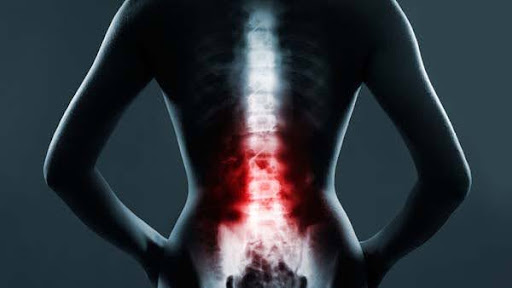
Endoscopic spine surgery has been practiced at CCER since 2016, making it a highly specialized center for minimally invasive spinal procedures. With years of expertise in this technique, CCER offers a proven, safe, and effective approach for patients suffering from conditions such as herniated discs or spinal stenosis. Compared to traditional surgery, endoscopic spine surgery provides a better balance of benefits and risks, enabling faster recovery times and reduced postoperative pain.
However, like any surgical procedure, it carries some risks, even though they are rare. Understanding these potential complications and discussing them with an experienced specialist at CCER, with its extensive track record in endoscopic spine surgery, can help patients make informed decisions about their treatment.
A proven technique with a very low complication rate
Since 2016, CCER has been at the forefront of endoscopic spine surgery, refining and mastering this technique to offer optimal outcomes. By using a high-precision camera and specialized instruments, this approach minimizes damage to surrounding tissues and significantly reduces the risk of complications. While rare, some risks can still occur, and it is important for patients to understand them as part of the balance between benefits and risks of the procedure.
Key risks to consider
1. Postoperative infection
At CCER, the risk of infection is extremely low thanks to the minimally invasive nature of endoscopic surgery. The small incision reduces exposure to external contaminants, and advanced sterilization protocols further limit the risk. However, in rare cases, an infection may still develop, leading to persistent pain, redness, or fever. If an infection is suspected, immediate medical intervention with antibiotic treatment is required.
2. Nerve irritation or injury
The goal of endoscopic surgery is to relieve nerve compression caused by a herniated disc or spinal stenosis. However, due to the delicate nature of the procedure, prolonged contact or manipulation of nerves can lead to temporary irritation. In exceptional cases, a more significant nerve injury may occur, resulting in symptoms such as tingling, muscle weakness, or lingering pain. Fortunately, CCER’s long-standing expertise in endoscopic surgery since 2016 ensures that these risks are minimized, and most symptoms improve over time with proper recovery measures.
3. Persistent or recurrent symptoms
Although endoscopic surgery is designed to optimize the balance between benefits and risks, some patients may continue to experience pain postoperatively. Potential reasons for this include:
- Residual inflammation after surgery, which gradually subsides as healing progresses.
- An underlying condition that may require additional treatment.
- A recurrence of the herniated disc, although this risk is minimized with CCER’s precise and well-established endoscopic technique.
4. Postoperative bleeding or hematoma
Significant bleeding is extremely rare in endoscopic spine surgery, especially with CCER’s extensive experience in performing these procedures safely since 2016. However, in some cases, a small postoperative hematoma (localized bleeding) may develop, potentially causing temporary nerve compression. This complication is generally managed with proper follow-up care and does not typically require further surgical intervention.
5. Cerebrospinal fluid leak
In rare instances, particularly with lumbar endoscopic surgery, a dural tear (a small breach in the protective membrane surrounding the spinal cord) can occur, leading to cerebrospinal fluid leakage. If detected during surgery, it is immediately managed by the CCER surgical team, whose long-standing expertise since 2016 ensures precise handling of such cases. In rare situations where symptoms persist, temporary bed rest or an additional procedure may be necessary.
How to minimize surgical risks
Preoperative assessment and planning
At CCER, each patient undergoes a thorough preoperative evaluation, including high-resolution imaging and detailed consultations. This allows the surgical team to anticipate and minimize any potential complications, ensuring the best possible balance between the benefits and risks of the procedure.
Expertise in endoscopic surgery
CCER has been practicing endoscopic spine surgery since 2016, making it one of the most experienced centers in this field. The expertise of the surgical team plays a key role in reducing risks, ensuring a high level of precision, and delivering the best possible outcomes for patients.
Following postoperative guidelines
Strict adherence to postoperative instructions greatly enhances recovery and minimizes risks. This includes:
- Adequate rest in the initial days without prolonged immobility.
- Gradual resumption of physical activity, following the specialist’s advice.
- Proper wound care to prevent infection.
- Regular follow-up consultations at CCER, ensuring close monitoring of recovery.
A safe procedure with fast recovery
Since 2016, CCER has helped numerous patients benefit from the advantages of endoscopic spine surgery, thanks to its proven expertise and personalized patient care. Despite the rare risks mentioned, this technique remains one of the safest and most effective methods for treating spinal conditions. Its minimally invasive nature allows for a faster recovery and a quicker return to daily activities, with an optimized balance of benefits and risks.
Every surgical decision should involve a thorough discussion with an experienced CCER specialist, considering both the advantages and the rare potential complications. A preoperative consultation is available, including video consultations for international patients, to answer all questions and ensure that endoscopic surgery is the best option for relieving pain and improving quality of life.
Laisser un commentaire