Catégorie : Endoscopic spine surgery

  • The advantages of endoscopic spine surgery over open surgery

    Spinal surgery has evolved significantly over the years, offering patients less invasive and more effective solutions. Among these advancements, endoscopic spine surgery has emerged as a modern alternative to traditional open surgery. This minimally invasive technique, performed at CCER since 2016, provides numerous advantages, particularly in terms of faster recovery, reduced pain, and lower risks.

    But what are the real benefits of endoscopic surgery compared to open surgery, and in what cases should it be prioritized?

    Understanding the differences between open and endoscopic spine surgery

    Open spine surgery: a traditional but more invasive approach

    Open surgery has been the standard approach for decades to treat spinal conditions such as herniated discs or spinal stenosis. This technique requires a large incision and extensive muscle dissection to access the affected area. While effective, it often leads to:

    • Longer recovery times
    • Greater postoperative pain
    • Increased risks of complications such as infections and blood loss

    This approach remains necessary for complex cases requiring spinal stabilization but is no longer the first-line option for many patients.

    Endoscopic spine surgery: a minimally invasive revolution

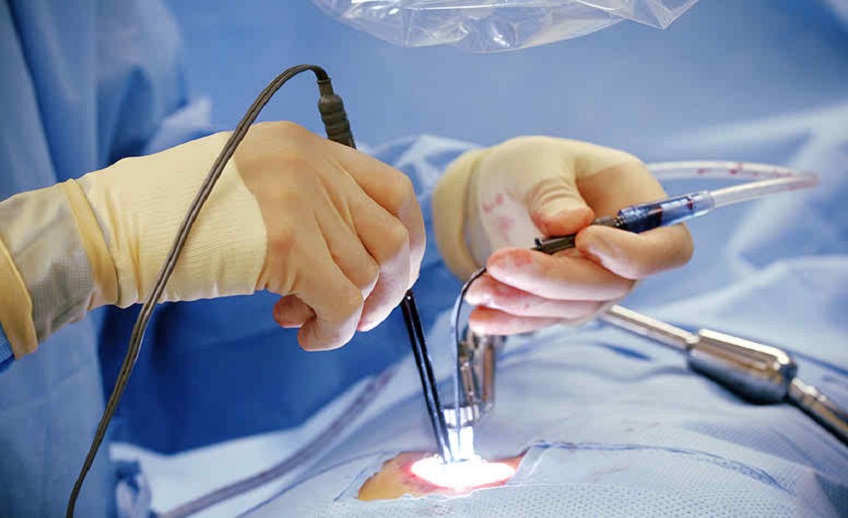
    In contrast, endoscopic spine surgery, practiced at CCER since 2016, is a less traumatic and highly precise alternative. Using a miniature camera and specialized instruments, the surgeon can reach the affected area through tiny incisions, avoiding significant muscle damage and tissue trauma.

    This technique is particularly effective for treating herniated discs and spinal stenosis, allowing for:

    • Minimal impact on surrounding tissues
    • Faster healing and recovery
    • A lower risk of postoperative complications

    Comparing the two surgical techniques

    Criteria Endoscopic Surgery Open Surgery
    Incision size 5-10 mm 5-10 cm
    Muscle damage Minimal Significant
    Blood loss Very low More significant
    Postoperative pain Reduced More intense
    Hospital stay Outpatient or 24h 3-5 days
    Recovery time Fast (2-6 weeks) Long (several months)
    Return to daily activities Early Delayed
    Infection risk Very low Higher
    Scarring Nearly invisible More noticeable


    Key benefits of endoscopic spine surgery

    1. Faster recovery

    One of the major advantages of endoscopic spine surgery is its significantly reduced recovery time. Since CCER has been performing this technique since 2016, patients benefit from an optimized surgical approach that minimizes trauma. Many patients are able to return to daily activities and work within just a few weeks.

    2. Less postoperative pain

    Because muscles and surrounding tissues remain largely intact, patients experience less pain after surgery. This reduces the need for strong painkillers, lowering the risk of side effects from prolonged medication use.

    3. Shorter hospital stay

    Unlike open surgery, which typically requires several days of hospitalization, endoscopic spine surgery is often performed as an outpatient procedure or with a short 24-hour stay. This reduces the risks associated with prolonged hospital stays and allows patients to recover in the comfort of their own home.

    4. Lower risk of infection

    The smaller incisions used in endoscopic surgery greatly reduce the risk of infections. Additionally, the shorter operating time and minimal tissue exposure lower the chances of complications.

    5. Faster return to daily activities

    Since recovery is quicker and pain is minimized, patients can resume normal activities much sooner. Whether it’s returning to work, sports, or personal hobbies, the impact on daily life is significantly reduced.

    6. Nearly invisible scarring

    While traditional open surgery leaves visible scars, endoscopic surgery uses tiny incisions that are barely noticeable. For many patients, this aesthetic benefit is an added advantage.

    When should endoscopic spine surgery be considered?

    This technique is particularly beneficial for treating:

    • Herniated discs (lumbar or cervical)
    • Spinal stenosis
    • Painful disc degeneration

    However, more complex cases requiring spinal fusion (arthrodesis) may still necessitate open surgery. A thorough medical evaluation will help determine the best surgical approach based on each patient’s individual condition.

    A modern and minimally invasive approach to spine surgery

    Thanks to CCER’s expertise in endoscopic spine surgery since 2016, patients can now benefit from a less invasive, more effective, and safer solution for spinal disorders. This technique provides a better balance between benefits and risks, allowing for faster recovery, less pain, and fewer complications compared to traditional open surgery.

    Before making a decision, it is crucial to consult with a specialist to evaluate the available options and choose the most suitable approach.

    Schedule a consultation

    To discuss your condition and determine if endoscopic spine surgery is right for you, a remote video consultation is available for international patients considering treatment in France. Contact CCER today to explore your options and receive expert medical guidance.
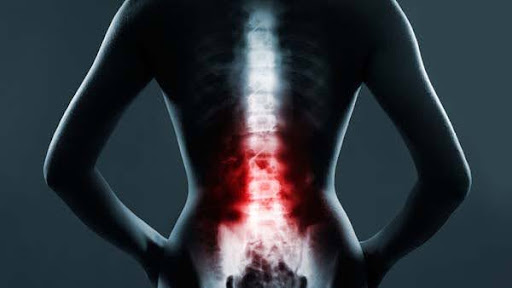

  • The rare but possible risks of endoscopic spine surgery

    The rare but possible risks of endoscopic spine surgery

    Endoscopic spine surgery has been practiced at CCER since 2016, making it a highly specialized center for minimally invasive spinal procedures. With years of expertise in this technique, CCER offers a proven, safe, and effective approach for patients suffering from conditions such as herniated discs or spinal stenosis. Compared to traditional surgery, endoscopic spine surgery provides a better balance of benefits and risks, enabling faster recovery times and reduced postoperative pain.

    However, like any surgical procedure, it carries some risks, even though they are rare. Understanding these potential complications and discussing them with an experienced specialist at CCER, with its extensive track record in endoscopic spine surgery, can help patients make informed decisions about their treatment.

    A proven technique with a very low complication rate

    Since 2016, CCER has been at the forefront of endoscopic spine surgery, refining and mastering this technique to offer optimal outcomes. By using a high-precision camera and specialized instruments, this approach minimizes damage to surrounding tissues and significantly reduces the risk of complications. While rare, some risks can still occur, and it is important for patients to understand them as part of the balance between benefits and risks of the procedure.

    Key risks to consider

    1. Postoperative infection

    At CCER, the risk of infection is extremely low thanks to the minimally invasive nature of endoscopic surgery. The small incision reduces exposure to external contaminants, and advanced sterilization protocols further limit the risk. However, in rare cases, an infection may still develop, leading to persistent pain, redness, or fever. If an infection is suspected, immediate medical intervention with antibiotic treatment is required.

    2. Nerve irritation or injury

    The goal of endoscopic surgery is to relieve nerve compression caused by a herniated disc or spinal stenosis. However, due to the delicate nature of the procedure, prolonged contact or manipulation of nerves can lead to temporary irritation. In exceptional cases, a more significant nerve injury may occur, resulting in symptoms such as tingling, muscle weakness, or lingering pain. Fortunately, CCER’s long-standing expertise in endoscopic surgery since 2016 ensures that these risks are minimized, and most symptoms improve over time with proper recovery measures.

    3. Persistent or recurrent symptoms

    Although endoscopic surgery is designed to optimize the balance between benefits and risks, some patients may continue to experience pain postoperatively. Potential reasons for this include:

    • Residual inflammation after surgery, which gradually subsides as healing progresses.
    • An underlying condition that may require additional treatment.
    • A recurrence of the herniated disc, although this risk is minimized with CCER’s precise and well-established endoscopic technique.

    4. Postoperative bleeding or hematoma

    Significant bleeding is extremely rare in endoscopic spine surgery, especially with CCER’s extensive experience in performing these procedures safely since 2016. However, in some cases, a small postoperative hematoma (localized bleeding) may develop, potentially causing temporary nerve compression. This complication is generally managed with proper follow-up care and does not typically require further surgical intervention.

    5. Cerebrospinal fluid leak

    In rare instances, particularly with lumbar endoscopic surgery, a dural tear (a small breach in the protective membrane surrounding the spinal cord) can occur, leading to cerebrospinal fluid leakage. If detected during surgery, it is immediately managed by the CCER surgical team, whose long-standing expertise since 2016 ensures precise handling of such cases. In rare situations where symptoms persist, temporary bed rest or an additional procedure may be necessary.

    How to minimize surgical risks

    Preoperative assessment and planning

    At CCER, each patient undergoes a thorough preoperative evaluation, including high-resolution imaging and detailed consultations. This allows the surgical team to anticipate and minimize any potential complications, ensuring the best possible balance between the benefits and risks of the procedure.

    Expertise in endoscopic surgery

    CCER has been practicing endoscopic spine surgery since 2016, making it one of the most experienced centers in this field. The expertise of the surgical team plays a key role in reducing risks, ensuring a high level of precision, and delivering the best possible outcomes for patients.

    Following postoperative guidelines

    Strict adherence to postoperative instructions greatly enhances recovery and minimizes risks. This includes:

    • Adequate rest in the initial days without prolonged immobility.
    • Gradual resumption of physical activity, following the specialist’s advice.
    • Proper wound care to prevent infection.
    • Regular follow-up consultations at CCER, ensuring close monitoring of recovery.

    A safe procedure with fast recovery

    Since 2016, CCER has helped numerous patients benefit from the advantages of endoscopic spine surgery, thanks to its proven expertise and personalized patient care. Despite the rare risks mentioned, this technique remains one of the safest and most effective methods for treating spinal conditions. Its minimally invasive nature allows for a faster recovery and a quicker return to daily activities, with an optimized balance of benefits and risks.

    Every surgical decision should involve a thorough discussion with an experienced CCER specialist, considering both the advantages and the rare potential complications. A preoperative consultation is available, including video consultations for international patients, to answer all questions and ensure that endoscopic surgery is the best option for relieving pain and improving quality of life.

  • How endoscopic spine surgery reduces recovery time

    How endoscopic spine surgery reduces recovery time

    Advancements in spinal surgery have opened new possibilities for treating back conditions. Among these innovations, endoscopic spine surgery stands out for its minimally invasive nature and remarkable benefits, including significantly reduced recovery time. This technique has become a go-to option for effectively addressing herniated discs and other spinal conditions, minimizing the impact on patients’ daily lives.

    But how exactly does this groundbreaking approach enable faster recovery? Let’s explore.

    What is endoscopic spine surgery?

    Endoscopic spine surgery is a minimally invasive procedure that uses a small camera and specialized instruments to access the spine. Unlike traditional surgery, this method requires only a tiny incision, often less than one centimeter. With the aid of real-time imaging, the surgeon can operate with precision while preserving surrounding tissues.

    This technique is particularly effective for treating herniated discs, spinal stenosis, and other spine-related issues. By targeting the affected area without damaging nearby muscles or bone structures, it offers a far less traumatic solution for patients.

    Key benefits of endoscopic spine surgery

    Compared to traditional methods, endoscopic spine surgery provides numerous advantages, translating directly into shorter recovery periods.

    Less post-operative pain

    One major source of pain after traditional spinal surgery is the trauma caused to surrounding muscles and tissues during the procedure. Endoscopic techniques largely avoid such damage. The small incision and precision tools minimize trauma, significantly reducing post-operative discomfort.

    Lower risk of complications

    Traditional surgeries can carry risks such as infections or significant bleeding. With its minimally invasive approach, endoscopic spine surgery substantially reduces these risks. Fewer complications mean a smoother, faster recovery and a quicker return to daily life.

    Shorter hospital stays

    Most endoscopic procedures are performed on an outpatient basis or require only a brief hospital stay. Patients often return home the same day or within 24 hours, enabling them to recover in the comfort of their own environment.

    Why does recovery time improve with endoscopic surgery?

    Preservation of muscle structures

    During endoscopic procedures, the muscles surrounding the spine are not cut but gently moved aside. This preservation of muscle tissue eliminates the need for extensive healing and allows for a faster overall recovery.

    Reduced inflammation

    The precision of endoscopic surgery causes less inflammation compared to traditional methods. Lower levels of inflammation not only reduce pain but also accelerate the body’s return to normal function.

    Faster return to activity

    With reduced pain and inflammation, patients can regain mobility sooner. Many are able to resume light activities within a few days and gradually return to work or sports within a matter of weeks.

    What to expect after endoscopic spine surgery

    Although recovery is significantly faster, following medical advice is essential to optimize the healing process. After surgery, specific guidelines will be provided regarding physical activity, lifting heavy objects, and returning to work.

    The first few weeks

    Patients may experience mild discomfort or tightness, but these symptoms typically subside quickly. Gradual resumption of movement is encouraged to prevent stiffness.

    Physical rehabilitation

    In some cases, light physical therapy may be recommended to strengthen back muscles and support spinal alignment. This brief rehabilitation phase is crucial for preventing recurrence of symptoms.

    Who can benefit from this technique?

    Endoscopic spine surgery is an excellent solution for many patients dealing with conditions such as herniated discs or lumbar spinal stenosis. However, each case is unique. A thorough evaluation by a specialist is necessary to determine whether this technique is appropriate for your specific condition.

    Your consultation with a spine specialist

    Endoscopic spine surgery represents a significant advancement in spinal care. Its minimally invasive nature offers patients less pain, faster recovery, and a quicker return to normal life.

    If you are considering surgery for a spinal condition, a consultation with a specialist can help you explore the benefits of endoscopic techniques. Virtual consultations are available for international patients, ensuring you can access expert advice no matter where you are. Take the first step toward recovery with this innovative approach.

  • Professionnal sportive could be operated by minimal invasive technique

    Professionnal sportive could be operated by minimal invasive technique
    FC Barcelona’s goalkeeper Marc-André ter Stegen recently underwent a successful back surgery, a pivotal moment in his sports career. This procedure was carried out by Dr. Amélie Léglise, a leading figure in the field of endoscopic back surgery.

    Marc-André ter Stegen’s surgical procedure

    Marc-André ter Stegen, who had been off the field since November 12 due to back pain, underwent surgery on December 8 at a specialized clinic. The operation was performed by Dr. Amélie Léglise, under the supervision of the Club’s Medical Service, at the Bordeaux Mérignac Sports Clinic.

    Dr. Léglise’s expertise in endoscopic surgery

    Dr. Léglise’s specialty, endoscopic back surgery, is a minimally invasive technique effectively treating various spinal pathologies, including those encountered by top athletes like Ter Stegen. This method offers several benefits, including reduced risk of complications and faster recovery time.

    Ter Stegen’s return to the field

    While FC Barcelona remains discreet about the exact duration of Ter Stegen’s unavailability, hopes are high for a swift return, potentially for the Champions League round of 16 in February. The success of the operation and Dr. Léglise’s reputation in endoscopic surgery suggest a positive prognosis.

    Endoscopic surgery: a revolution in treating lumbar pathologies

    Endoscopic surgery, with its precision and less traumatic approach compared to traditional surgical methods, represents a significant advancement in treating spinal disorders. High-level athletes, like Marc-André ter Stegen, particularly benefit from this technology, allowing for a quicker return to optimal performance levels.

    If you are experiencing back pain or wish to learn more about treatment options, do not hesitate to schedule an appointment with Dr. Léglise at the Center for Endoscopic Spine Surgery in Bordeaux to benefit from her expertise.


  • Endoscopic spine surgery: minimizing risks and enhancing recovery

    Endoscopic spine surgery: minimizing risks and enhancing recovery

    Endoscopic spine surgery marks a pivotal advancement in spinal healthcare, revolutionizing the way spinal conditions are treated. This state-of-the-art approach significantly diminishes the risks typically associated with traditional spinal surgeries while expediting the patient’s recovery journey.

    Understanding endoscopic back surgery

    Endoscopic spine surgery incorporates the use of specialized cameras and instruments, introduced through minimal incisions, often just a few centimeters long. This technique stands in contrast to conventional surgery methods, offering a less invasive option. By reducing muscle and bone trauma, it significantly streamlines the patient’s rehabilitation process.

    Ideal candidates for endoscopic surgical procedures

    This form of surgery is particularly beneficial for conditions that don’t require extensive hardware implantation, such as screws or rods. It’s proven effective for managing sciatica, cruralgia, narrow lumbar canals, and various forms of disc herniations and lumbar stenosis. A notable advantage of this method is its potential to reduce the need for more invasive lumbar fusion surgeries, therefore avoiding extensive vertebral fusions.

    Advantages of endoscopic spine surgery

    Choosing endoscopic spine surgery translates into numerous patient benefits:

    • Accelerated recovery timeline, enabling patients to return to their daily activities sooner.
    • Smaller incisions lead to reduced postoperative discomfort and lower dependency on pain medication.
    • Significant decrease in blood loss during surgery.
    • Lower risk of infection due to the minimally invasive nature of the procedure.
    • Preservation of spinal stability by avoiding extensive lumbar fusions.

    The lumbar spine endoscopy procedure explained

    During a lumbar spine endoscopy, patients are placed under general anesthesia for optimal immobility and safety. Through advanced radiological guidance, surgeons meticulously perform the procedure, introducing the endoscopic camera directly to the affected vertebral area. This approach allows for precise nerve decompression, akin to conventional open surgery but with minimized muscle disruption. Post-surgery, careful monitoring of the incision sites ensures proper healing.

    Understanding the risks of endoscopic back surgery

    While endoscopic spine surgery is relatively low-risk, it’s important for patients to be aware of potential complications. Nerve damage, although rare, is a consideration. Infections are also possible but occur less frequently compared to traditional surgery methods. Dural tears, involving the membrane around the nerves, can happen but are a manageable aspect of this surgery.

    Endoscopic spine surgery at our center not only offers a safer, less invasive treatment option but also a quicker path to recovery, reflecting our commitment to advanced spinal care and patient wellbeing.


  • Introducing the Center for Endoscopic Spine Surgery in Bordeaux

    Introducing the Center for Endoscopic Spine Surgery in Bordeaux

    Facing back problems can be daunting, and choosing the right surgical intervention is crucial. This is where the center for endoscopic spine surgery in Bordeaux excels. Located in the heart of Mérignac, this state-of-the-art clinic specializes in a groundbreaking approach for a variety of spinal issues. Let’s delve into why this center, under the leadership of renowned experts, is considered a premier destination for back surgery in Bordeaux.

    Our team of renowned specialists

    At the heart of our center is a dedicated team of medical professionals, each bringing a wealth of expertise to provide top-tier spinal care.

    Dr. Jean Destandau: a neurosurgery innovator

    Dr. Jean Destandau, a University of Bordeaux alumnus, is a trailblazer in neurosurgery. He revolutionized spinal surgery in 1993 with his development of the endoscopic technique, known as endospine. With a successful track record of over 7,000 lumbar disc herniation surgeries, Dr. Destandau is a revered figure in the field.

    Dr. Amélie Léglise: orthopedic surgery specialist

    Dr. Amélie Léglise, renowned for her work in orthopedic and trauma surgery, enhances the center’s treatment spectrum. Her proficiency in minimally invasive endoscopic surgery, especially for lumbar and cervical disc herniations and narrow lumbar canal, is exceptional.

    Dr. Marjory Rué: neurosurgery expert

    Dr. Marjory Rué brings her extensive neurosurgery experience and tenure as a former intern and head of clinic at Bordeaux hospitals to the team. Collaborating closely with Dr. Destandau, she specializes in minimally invasive endoscopic solutions for lumbar and cervical disc herniation and narrow lumbar canal.

    Innovative approach : endoscopic spine surgery

    Endoscopic spine surgery is a cutting-edge advancement in spinal condition treatments. Compared to traditional methods, it offers significant benefits:

    • Tailored to conditions like lumbar and cervical disc hernias, narrow lumbar canal, and spinal synovial cysts.
    • Conducted through a small incision, using a mini-camera to provide a detailed view of the operative area.
    • Benefits include quicker recovery, minimal scarring, reduced muscle trauma, enhanced surgical visibility, lower risk of infection, and less postoperative discomfort.

    Global recognition

    Dr. Jean Destandau, the architect of the endoscopic technique, has dedicated his career to refining this novel surgical approach. The endospine technique, created in 1993, has transformed spine surgery practices. The center for endoscopic spine surgery in Bordeaux was established with two primary goals:

    • Patient care excellence: Our expert team delivers unparalleled care during spinal procedures, supported by advanced anesthetic techniques and a professionally trained staff.
    • Education and knowledge sharing: The center is instrumental in educating surgeons globally in the endoscopic technique, offering hands-on training to master this sophisticated minimally invasive approach.

    For those seeking expert surgical care for back issues, the center for endoscopic spine surgery in Bordeaux is an excellent choice. We invite you to contact us to schedule an appointment and embark on your path to spinal health and recovery.